Chordate
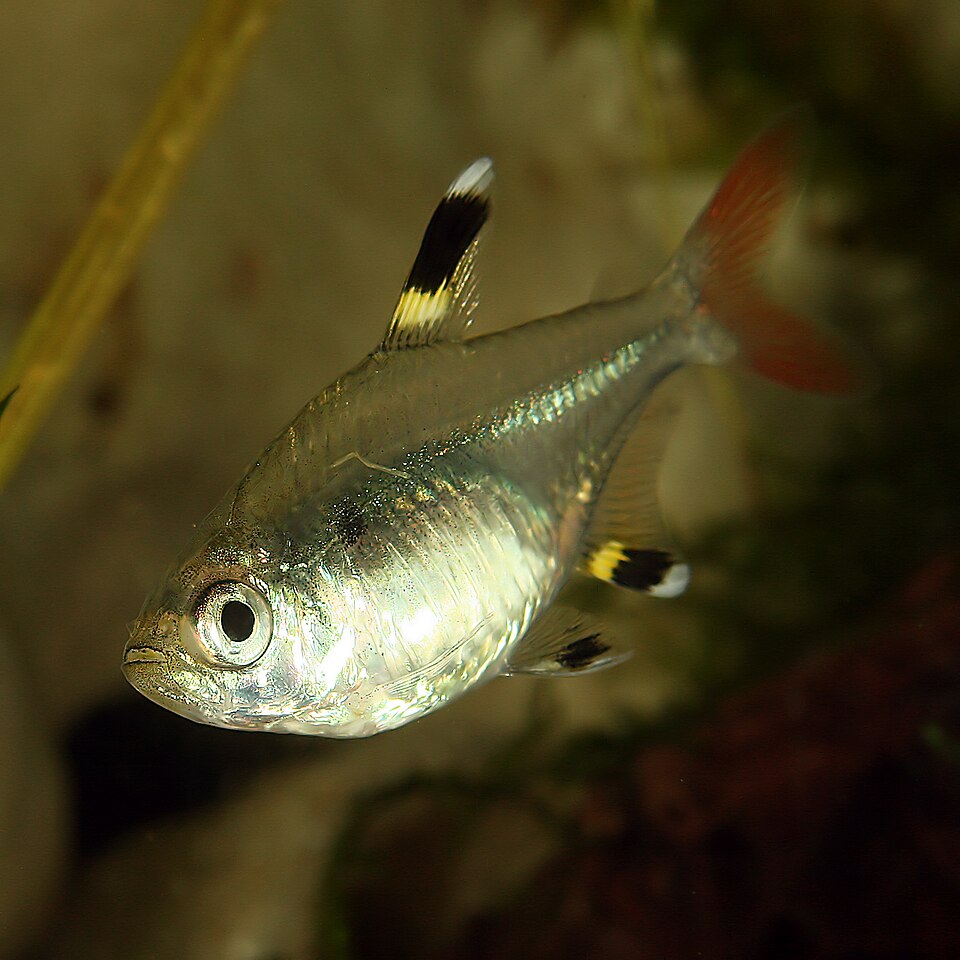

Scientific name
- Scientific name
- Chordata
How to say it in other languages
- Arabic
- حبليات
- Dutch
- Chordadieren
- French
- Chordés
- German
- Chordatiere
- Hindi
- रज्जुकी
- Italian
- Cordati
- Japanese
- 脊索動物門
- Korean
- 척삭동물문(脊索動物門)
- Portuguese
- Cordado
- Russian
- Хордовые
- Spanish
- Cordados
Facts from Wikipedia’s “Chordate” page and Wikispecies (CC BY-SA 4.0).
Chordates, phylum Chordata, are a phylum of animals which have a notochord. The group includes vertebrates, with some closely related invertebrates.
Taxonomy
- Phylum Chordata
- Tunicata – (tunicates, formerly Urochordata; 3,000 species)
- †Vetulicolia (8 Cambrian species of fossil)
- Cephalochordata – (lancelets, 30 species)
- Vertebrata (vertebrates – animals with backbones; 57,739 species)
- Agnatha (jawless vertebrates; 100+ species)
- Myxini or Hyperotreti (hagfish; 65 species)
- Conodonta (Conodonts)
- Hyperoartia (Lampreys)
- †Cephalaspidomorphi (Paleozoic jawless fish)
- †Pteraspidomorphi (Paleozoic jawless fish)
- Gnathostomata (jawed vertebrates)
- †Placodermi (Paleozoic armoured forms)
- Chondrichthyes (cartilaginous fish; 300+ species)
- †Acanthodii (Paleozoic “spiny sharks”)
- Osteichthyes (bony fishes; 30,000+ species)
- Actinopterygii (ray-finned fish; about 30,000 species)
- Sarcopterygii (lobe-finned fish)
- Tetrapoda (four-legged vertebrates; 18,000+ species)
Phylogeny
Note: Lines show likely evolutionary relationships. Extinct groups are marked with a “†”. Extinct animals are ones that have completely died out.
Origin of chordates
According to a long-standing theory, the origin of chordates may be found in transformed larvae of sea-squirts (tunicates). Adult tunicates are sessile, but their larvae are motile, and have some features found in early vertebrates. The process of paedomorphosis, where juvenile features are retained in the adult, is the proposed mechanism. Genome analysis shows that tunicates are the closest living relatives of vertebrates.
Where this page comes from
The article above is adapted from “Chordate” on Simple English Wikipedia, by its contributors. We removed reference markers, navigation boxes and tables, expanded measurement templates into readable numbers, and kept the prose otherwise intact.
Both sources are published under CC BY-SA 4.0, so this page is published under the same licence. You may share and adapt it, including commercially, as long as you credit the original and keep the same licence.
Worksheets, answer keys and printable layouts elsewhere on K5Print are our own work and are not covered by this licence.