Lactation
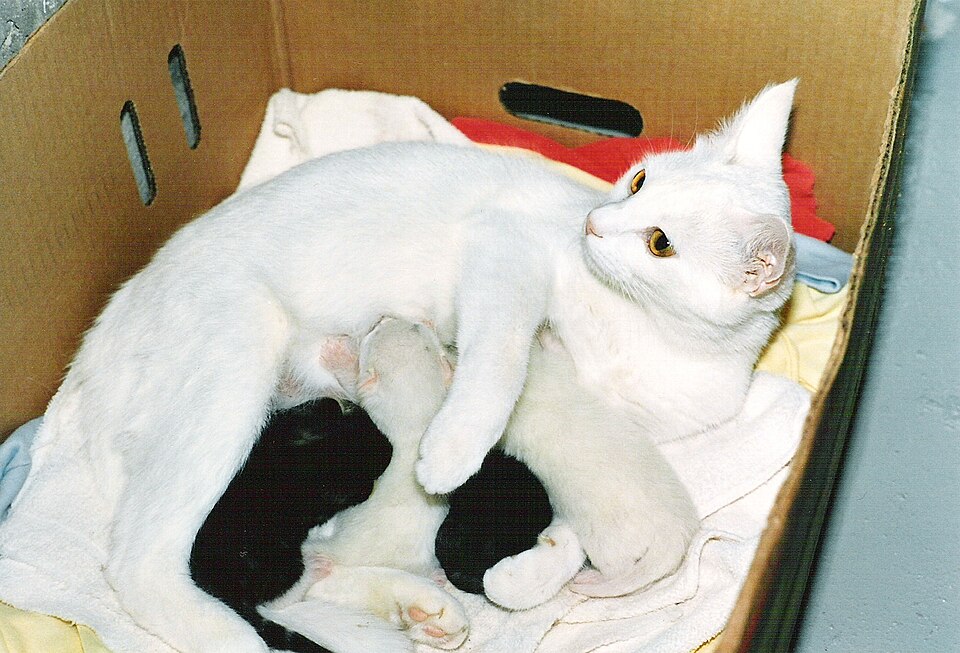

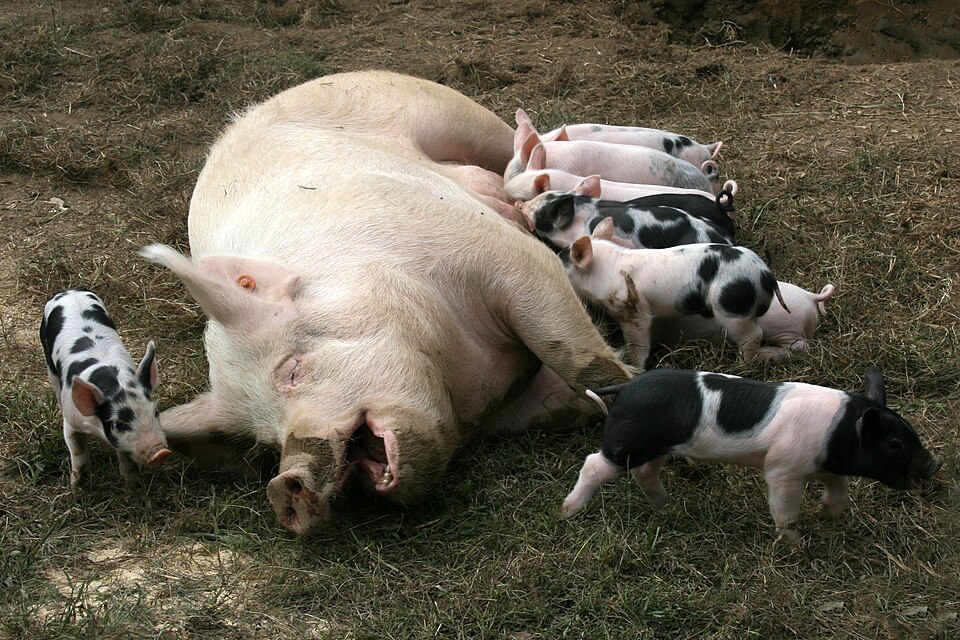
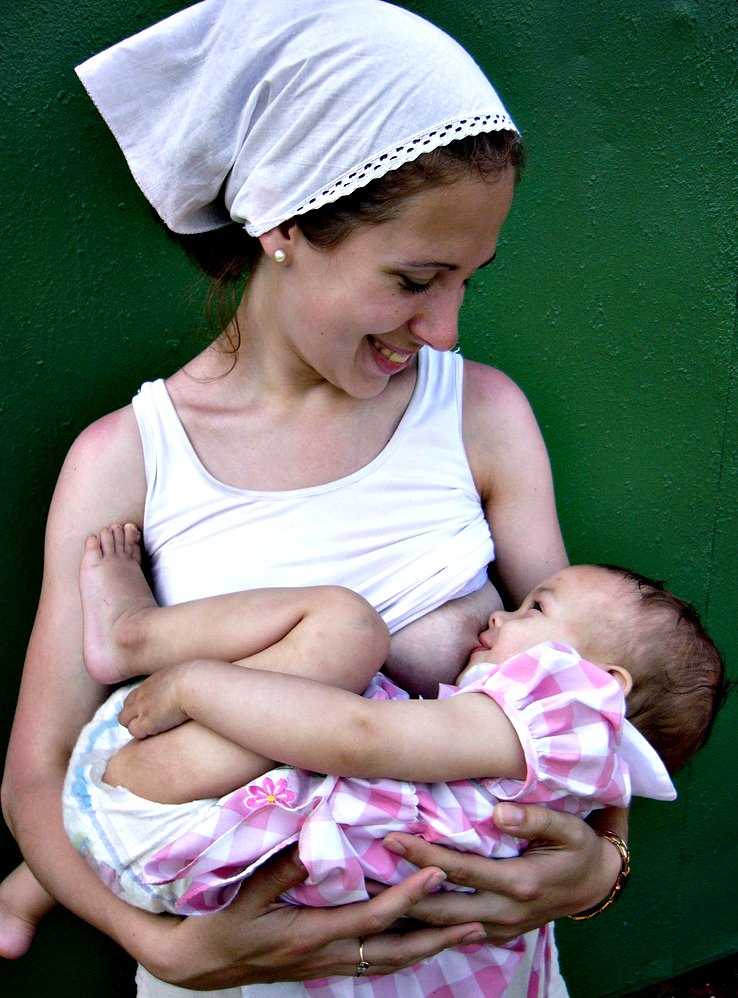
Lactation describes the secretion of milk from the breasts when a mother feeds her young. It occurs with almost all female mammals after the birth of their young. In humans the process is also called breastfeeding or nursing.
In most species, milk comes out of the mother’s nipples. The platypus (which is a monotreme mammal) releases milk through ducts in its abdomen. In only one species of mammal, the Dayak fruit bat, is milk production a normal male function.
Milk contains fat, lactose, and protein, as well as vitamins and mineral s.
Apart from food nutrients, mothers’ milk contains a range of antibodies which protect the baby until it develops its own immune system. When born, a baby has antibodies from across the mother’s placenta. Its own immunoglobulin production takes about six months to develop after birth, so meantime the mother’s milk supplies them.
Milk production requires the hormones prolactin and oxytocin.
The evolution of milk production made use of a feature which was present before modern mammals. The cells which produce milk were developed from the apocrine glands in the skin: Meaning: since the skin of synapsids had glands in it, the development of milk production was possible.
During pregnancy and the first few days after birth, milk production is controlled by hormones. Once the milk supply is well established, the breasts switch to a local control system (called autocrine control).
At this stage, the more milk that is removed from the breasts, the more milk the breasts produce. Research also suggests that fully draining the breasts increases the speed of milk production.
Where this page comes from
The article above is adapted from “Lactation” on Simple English Wikipedia, by its contributors. We removed reference markers, navigation boxes and tables, expanded measurement templates into readable numbers, and kept the prose otherwise intact.
Both sources are published under CC BY-SA 4.0, so this page is published under the same licence. You may share and adapt it, including commercially, as long as you credit the original and keep the same licence.
Worksheets, answer keys and printable layouts elsewhere on K5Print are our own work and are not covered by this licence.