Vertebrate

Scientific name
- Scientific name
- Vertebrata
How to say it in other languages
- Arabic
- فقاريات
- Chinese
- 脊椎动物亚门
- Dutch
- Gewervelden
- French
- Vertébrés
- German
- Wirbeltiere
- Italian
- Vertebrati
- Japanese
- 脊椎動物亜門
- Korean
- 척추동물아문(脊椎動物亞門)
- Portuguese
- Vertebrados
- Russian
- Позвоночные
- Spanish
- Vertebrados
Facts from Wikipedia’s “Vertebrate” page and Wikispecies (CC BY-SA 4.0).
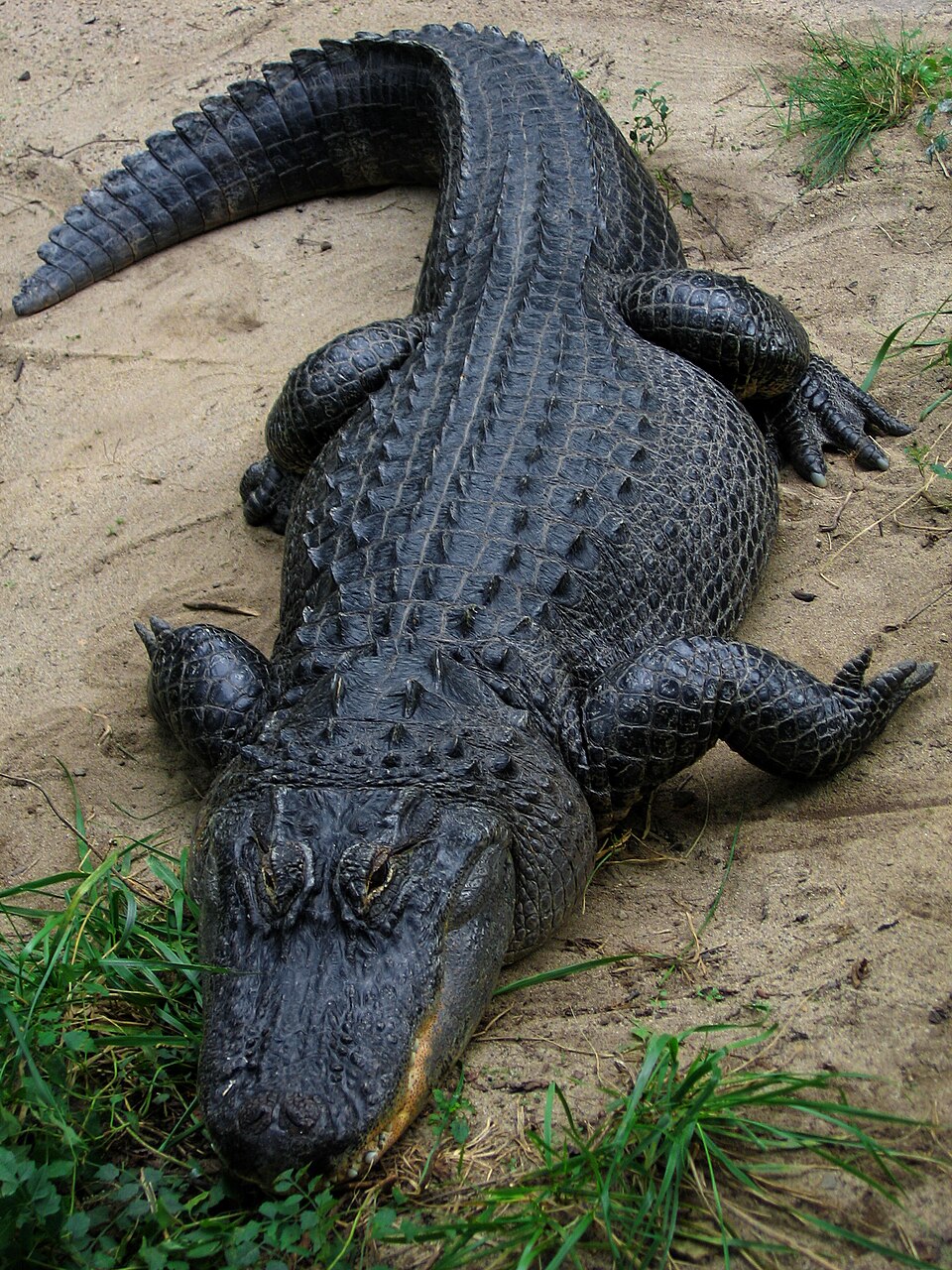
A vertebrate is an animal with a spinal cord surrounded by cartilage or bone. The word comes from vertebrae, the bones that make up the spine. Animals that are not vertebrates are called invertebrates. Vertebrates include birds, fish, amphibians, reptiles, and mammals. The parts of the vertebrate skeleton are:
- Braincase: A braincase or cranium protects the brain.
- Vertebrae: A series of short, stiff vertebrae are separated by joints. This internal backbone protects the spinal cord. The joints between the vertebrae let the backbone bend.
- Bones: support and protect the body’s soft tissues and provides points for muscle attachment.
- Gill arches: Gill arches in the pharynx of fish and some amphibians support the gills. In the majority of vertebrates some of the arches have evolved into other organs, such as jaws.
Examples of vertebrates are mammals, birds, and fish. A few tens of thousands of species have been identified. The term “fish” is used to describe at least four different kinds of vertebrates.
Distinctions
Vertebrates dominate amongst the animals in virtually all environments. They include the largest animals in each main ecosystem, though not the largest living things (because that would include trees). They are the only animals which have an adaptive immune system. These two facts may be connected.
Taxonomy and classification
- Subphylum Vertebrata
- Agnatha (jawless vertebrates)
- Myxini
- Hyperoartia (lampreys)
- †Conodonta
- †Pteraspidomorphi
- †Thelodonti
- †Anaspida
- †Galeaspida
- †Pituriaspida
- †Osteostraci
- Gnathostomata (jawed vertebrates)
- †Placodermi (Paleozoic armoured forms)
- Chondrichthyes (cartilaginous fish)
- †Acanthodii (Paleozoic “spiny sharks”)
- Osteichthyes (bony fish)
- Actinopterygii (ray-finned fish)
- Sarcopterygii (lobe-finned fish)
- Coelacanthimorpha (coelacanths)
- Dipnoi (lungfish)
- Tetrapoda (four-limbed vertebrates)
- Amphibia (amphibians)
- Amniota (amniotic eggs)
- Sauropsida (reptiles and birds)
- Lepidosauria (lizards, snakes and tuatara)
- Testudines (turtles)
- Archosauria (archosaurs)
- Crocodilia (crocodilians)
- †Pterosauria (pterosaurs)
- Dinosauria (dinosaurs)
- Aves (birds)
- Synapsida (mammal-like tetrapods)
- Mammalia
Where this page comes from
The article above is adapted from “Vertebrate” on Simple English Wikipedia, by its contributors. We removed reference markers, navigation boxes and tables, expanded measurement templates into readable numbers, and kept the prose otherwise intact.
Both sources are published under CC BY-SA 4.0, so this page is published under the same licence. You may share and adapt it, including commercially, as long as you credit the original and keep the same licence.
Worksheets, answer keys and printable layouts elsewhere on K5Print are our own work and are not covered by this licence.