Tango
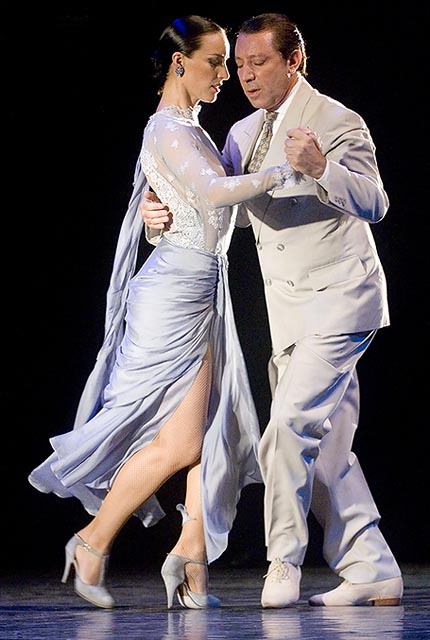

The Tango is a dance which was created in Buenos Aires, Argentina. The musical style that was created with the dance is also called ’tango’. It is danced today in two versions. Neither version is ‘better’ than the other; they are rather different in style.
Argentine tango
The first tango dances and music was called tango criollo, or simply tango. Today, there are various tango dance styles, including Argentine tango, Uruguayan tango, and vintage tangos. The Argentine tango is probably closer to that originally danced in Argentina and Uruguay, though no details survive of its original form.
International tango
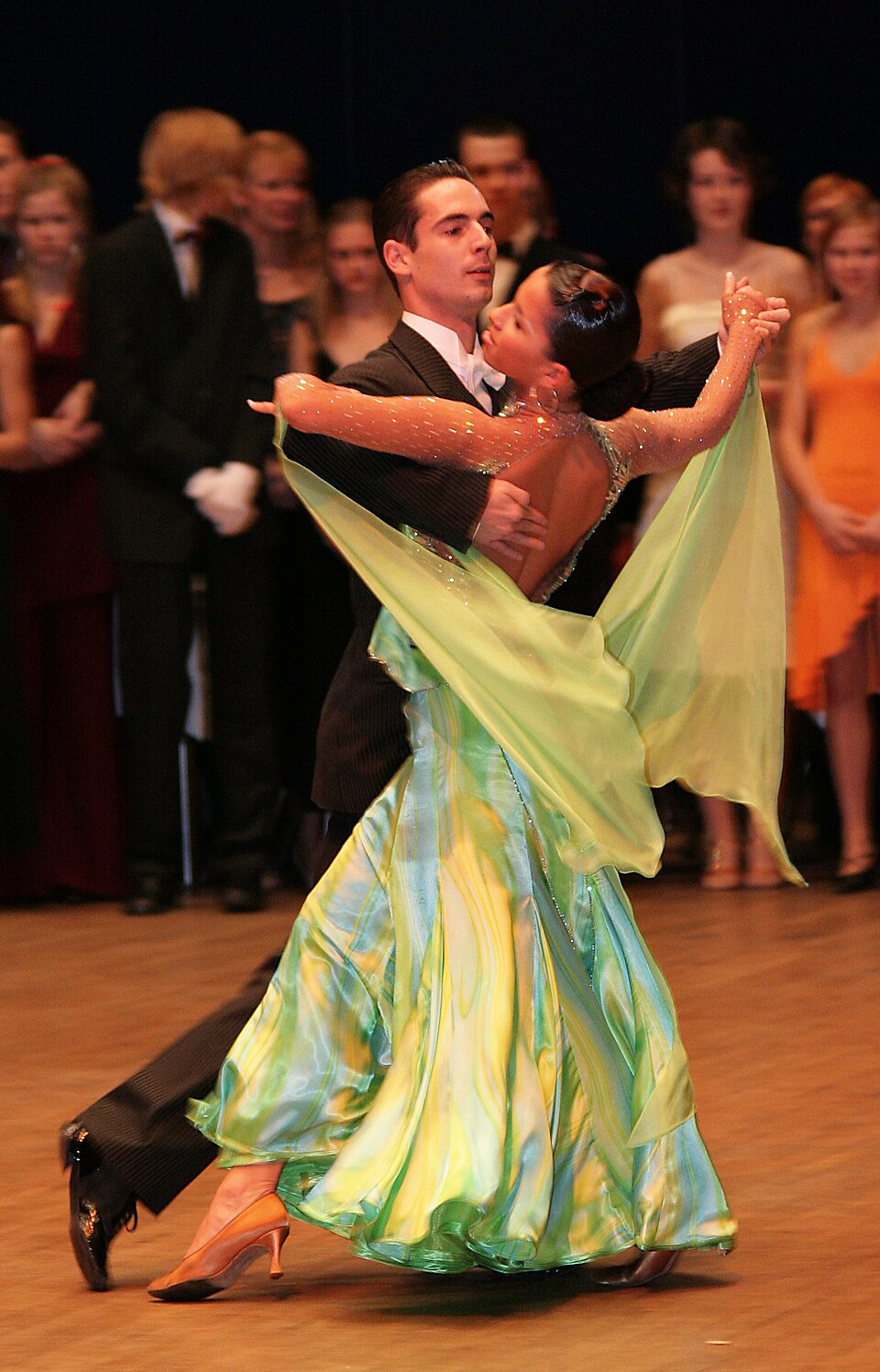
The tango is a standard dance in international ballroom dancing. This version was developed in England before WWII, mainly as a result of the work of Monsieur Pierre, a French dance teacher who lived in London.
The Tango is now danced in international competitions to a style first set out in English ballroom texts and regulations.
Other sources
Thompson, Robert Farris 2005. Tango: the art history of love. Knopf, New York. .
Collier, Simon and Artemis Cooper 2007. Â ¡Tango!: the dance, the song, the story. Thames & Hudson, London.
Denniston, Christine 2007. The meaning of tango: the story of the Argentinian dance. Anova.
Where this page comes from
The article above is adapted from “Tango” on Simple English Wikipedia, by its contributors. We removed reference markers, navigation boxes and tables, expanded measurement templates into readable numbers, and kept the prose otherwise intact.
Both sources are published under CC BY-SA 4.0, so this page is published under the same licence. You may share and adapt it, including commercially, as long as you credit the original and keep the same licence.
Worksheets, answer keys and printable layouts elsewhere on K5Print are our own work and are not covered by this licence.