Mouth
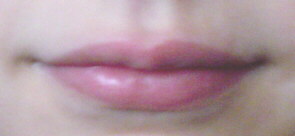

The mouth is an opening in the face and is the first part of the alimentary canal (digestive system). It is the place where food is chewed. The mouth has teeth to help chew the food. It is an oval-shaped cavity inside the skull. The two main functions of the mouth are eating and speaking. Parts of the mouth include the lips, vestibule, mouth cavity, gums, teeth, hard and soft palate, tongue and salivary glands. The mouth is also known as the oral cavity or the buccal cavity.
In addition to its main role as the start of the digestive system, in humans the mouth also plays a great part in communication. The tongue, lips, and jaw, which are parts of the mouth, are needed to produce the number of sounds in human language. People also kiss and show their feelings with the mouth.
Written for younger readers
Mouth, in simpler words
This version comes from Wikijunior, a set of books written for children aged 8 to 11. It is shorter and uses plainer language than the article above.
From Wikijunior: Human Body
The mouth is a part of the human body, which receives food and contains saliva. The Mouth is probably one of the most important parts for your body, since it helps you get the needs you need to live your life. Without a mouth, you can’t eat or drink, thus starve and die due to lack of food/dehydration.
Imagine it this way: 2 stacks of red bright “logs”. But more human like. And that’s what the mouth looks like when shut.
It contains the tongue, 32 teeth and salivary glands.
We can apply mouthwash, mouth rinse, oral rinse or mouth bath, which is a liquid and held in the mouth passively or swilled around the mouth by contraction of the perioral muscles and/or movement of the head, and may be gargled, where the head is tilted back and the liquid bubbled at the back of the mouth.We should also brush and floss teeth daily.We can apply lip balm to protect our lips from dryness also
Where this page comes from
The article above is adapted from “Mouth” on Simple English Wikipedia, by its contributors. We removed reference markers, navigation boxes and tables, expanded measurement templates into readable numbers, and kept the prose otherwise intact. The simpler version is adapted from Wikijunior on Wikibooks.
Both sources are published under CC BY-SA 4.0, so this page is published under the same licence. You may share and adapt it, including commercially, as long as you credit the original and keep the same licence.
Worksheets, answer keys and printable layouts elsewhere on K5Print are our own work and are not covered by this licence.