Cereal
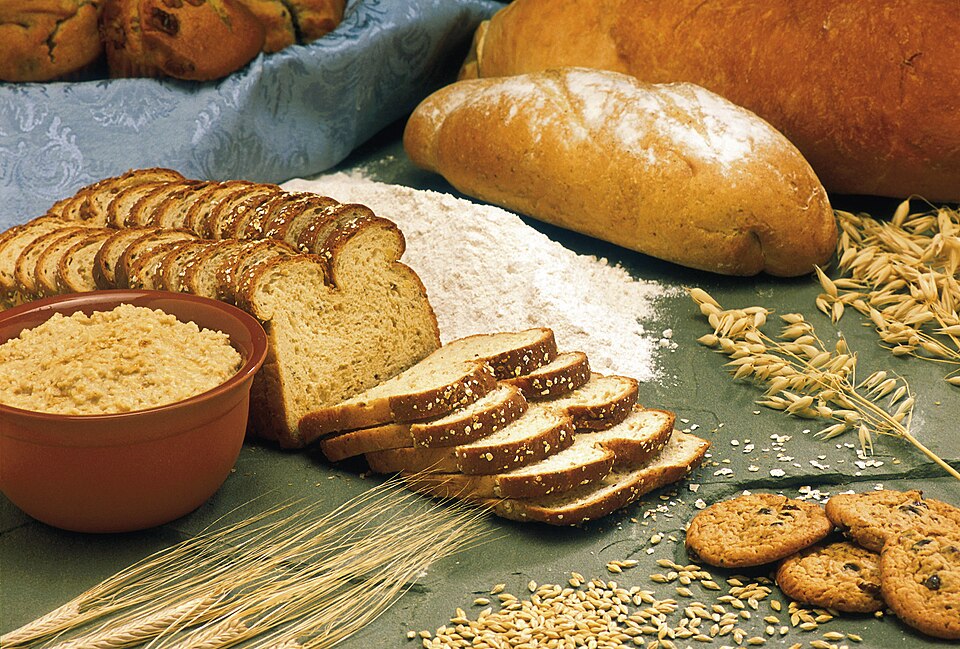

Cereal usually refers to a type of grass that is grown to be eaten. Some, such as wheat, are mostly used to feed people. Some are fed to cattle, and lesser amounts are used for other purposes.
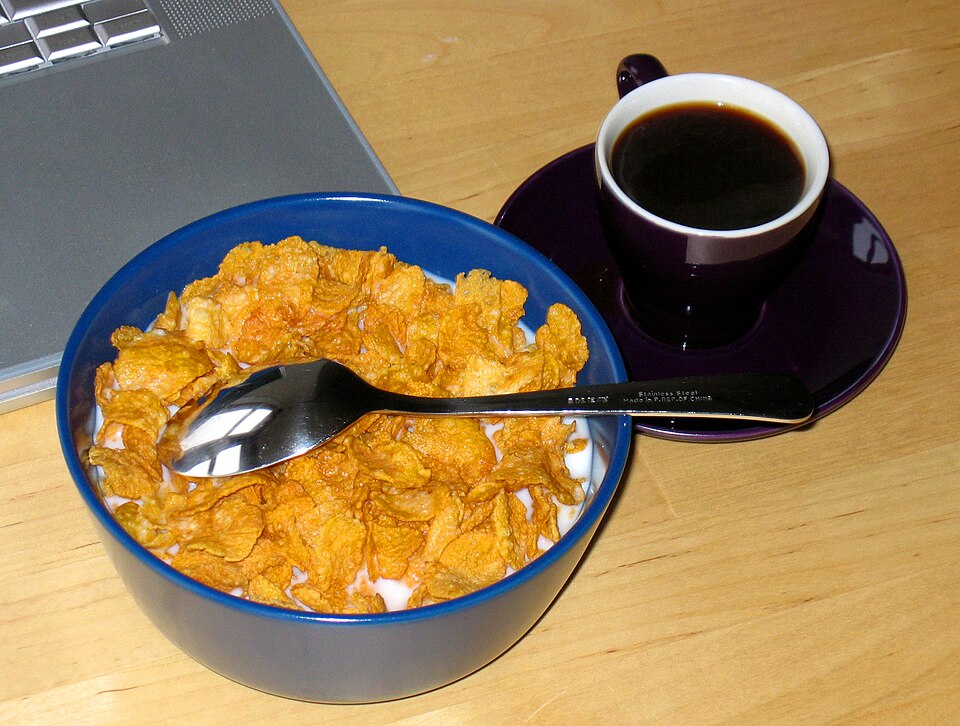
Breakfast cereal is a common breakfast meal in the United States. It is made of grain, usually eaten with milk, and often sweetened with sugar, syrup, or fruit.
The word “cereal” comes from ‘Ceres’, the name of the Roman goddess of harvest and agriculture. Grains are called corn in the United Kingdom and Ireland, but in the United States, Canada, Australia, and New Zealand corn means maize.
History
In the 19th century, Americans typically ate meat for breakfast, not grains or fiber. But after that, people who were interested in eating more healthy foods began a push for healthy breakfasts.
In 1863, Granula became the first breakfast cereal. The name Granula comes from granulates, formed of grain. It included heavy nuggets made from bran, the outer husk of a grain that is taken out when making flour. The cereal had to be soaked overnight before being eaten. Simply pouring milk over it was not enough to make it eatable.
The cereals eaten today grew out of a health campaign that began in the 1860s. Thin baked dough served to patients in hospitals inspired two men, C.W. Post and W. K. Kellogg. These two men started their own companies, named them after themselves.
Where this page comes from
The article above is adapted from “Cereal” on Simple English Wikipedia, by its contributors. We removed reference markers, navigation boxes and tables, expanded measurement templates into readable numbers, and kept the prose otherwise intact.
Both sources are published under CC BY-SA 4.0, so this page is published under the same licence. You may share and adapt it, including commercially, as long as you credit the original and keep the same licence.
Worksheets, answer keys and printable layouts elsewhere on K5Print are our own work and are not covered by this licence.