Legume
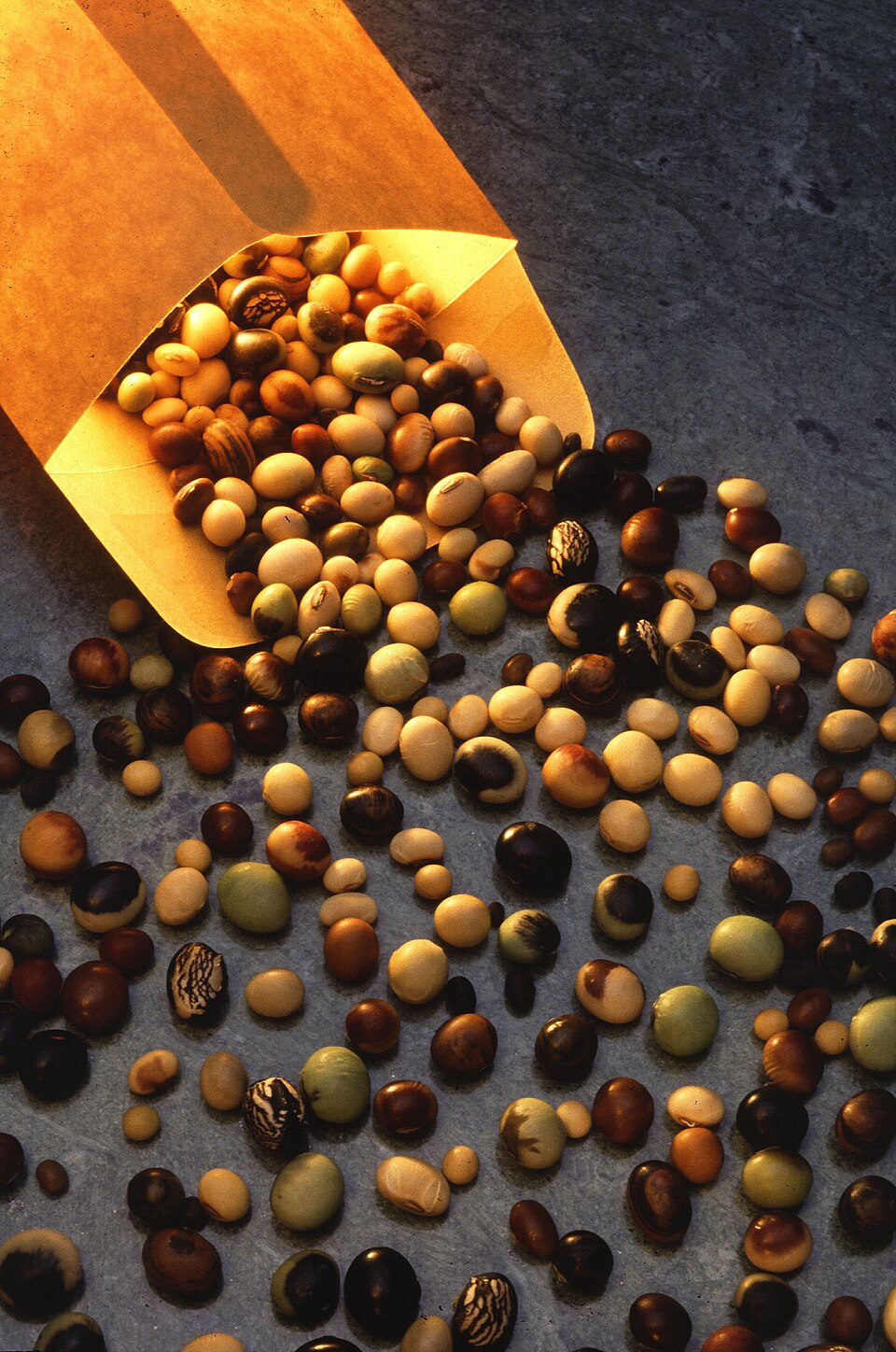

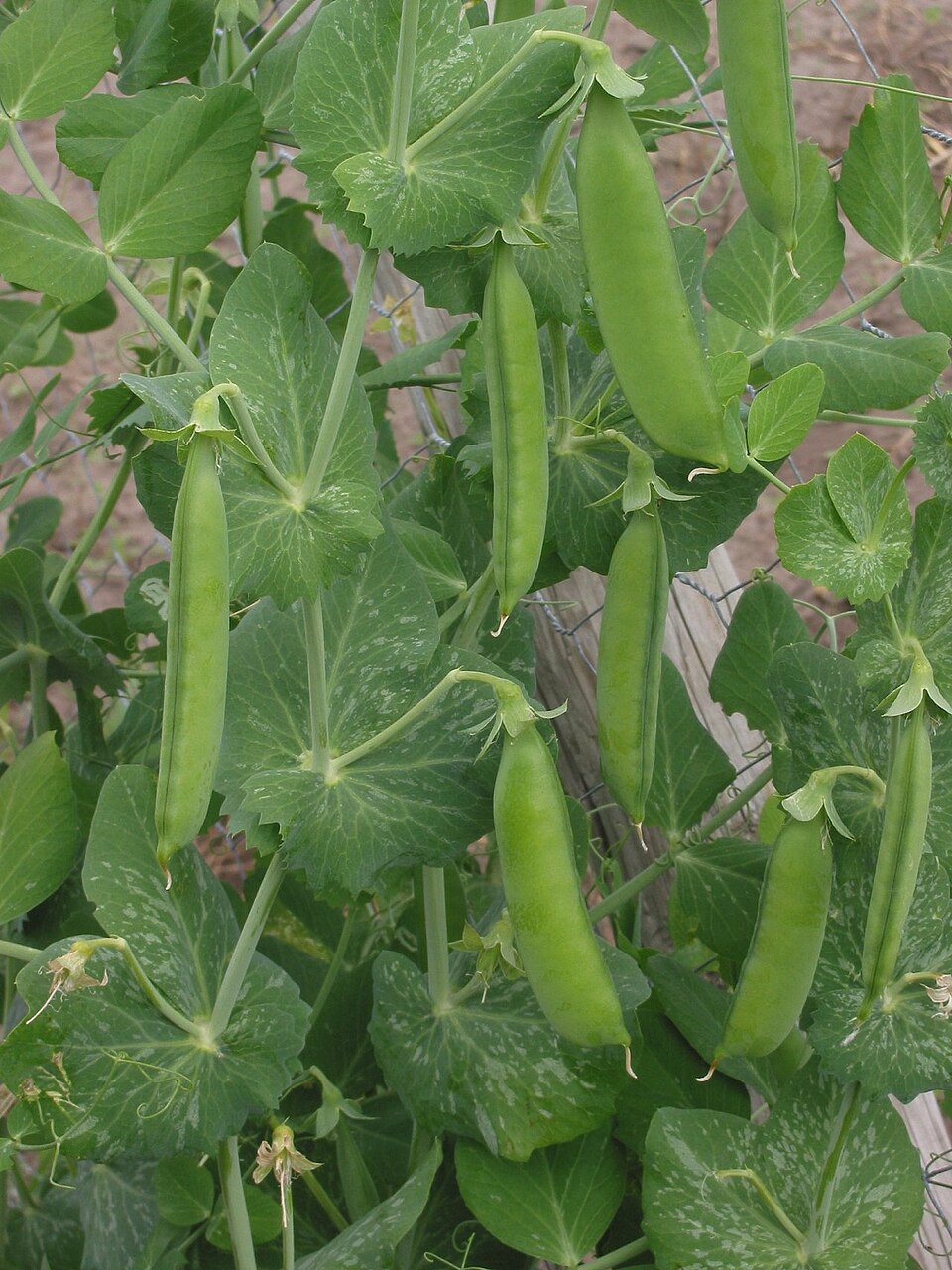
A legume is a type of dry fruit. It is usually produced by plants in the family Fabaceae. Legumes can be a variety of fruits: peas and beans are types of legumes.
Description
Legumes grow from the carpel, the female reproductive part of a plant. The fruit of a legume is found inside a pod that can be split on both sides. However, there are some foods that grow inside pods that are not legumes.
Health
Legumes contain many healthy nutrients, such as protein. They are a good source of protein for vegetarians and vegans, or people who do not eat meat and fish. They also contain fibre. This helps to have a healthy digestive system. However, they contain some nutrients which humans find difficult to digest. It is recommended that legumes are soaked (left in water) before cooking to help with nutrient absorption (taking in more nutrients). Some amino acids, such as methionine, are not found very much in some legumes. However, they are needed to help the body use protein.
Soil
Legumes are known for putting nitrogen back into soil in a useful form after previous crops used the nitrogen to grow. This is called nitrogen fixation. Farmers will plant a crop that uses lots of nitrogen, like corn, followed by a legume that puts nitrogen back in the soil, like alfalfa. This is called crop rotation.
Use
India imports (buys from other countries) the most legumes. This may be because a lot of Indians follow the religion of Hinduism, which does not let people eat meat. Legumes are a cheap and plentiful source of food in a country where around 22% of the population are in poverty. The top four producers and exporters (selling to other countries) of legumes are:
- Canada
- Myanmar
- Australia
- USA The USA uses legumes for a variety of reasons. It is the highest producer. It uses soybeans to feed cattle and make vegetable oil. Peanuts are a popular snack food in the USA and these are also a type of legume.
Where this page comes from
The article above is adapted from “Legume” on Simple English Wikipedia, by its contributors. We removed reference markers, navigation boxes and tables, expanded measurement templates into readable numbers, and kept the prose otherwise intact.
Both sources are published under CC BY-SA 4.0, so this page is published under the same licence. You may share and adapt it, including commercially, as long as you credit the original and keep the same licence.
Worksheets, answer keys and printable layouts elsewhere on K5Print are our own work and are not covered by this licence.