Flax

Fast facts
- Genus
- Linum
- Species
- L. usitatissimum
Scientific name
- Scientific name
- Linum usitatissimum
How to say it in other languages
- Chinese
- 亚麻
- Dutch
- Vlas
- French
- Lin cultivé
- German
- Gemeiner Lein
- Italian
- Lino comune
- Japanese
- アマ
- Portuguese
- Lìnho
- Russian
- Лён
- Spanish
- Lino
Facts from Wikipedia’s “Flax” page and Wikispecies (CC BY-SA 4.0).
Flax (also known as common flax or linseed) (Linum usitatissimum) is a type of flowering plant.
The fibres of flax are used to make linen. High-quality paper used in banknotes is also made from flax fibres. A Vegetable oil (linseed oil) can be made from the dried ripe flax seeds. Flax has been used for a long time in such tasks as making bows and candles.
Toxicity
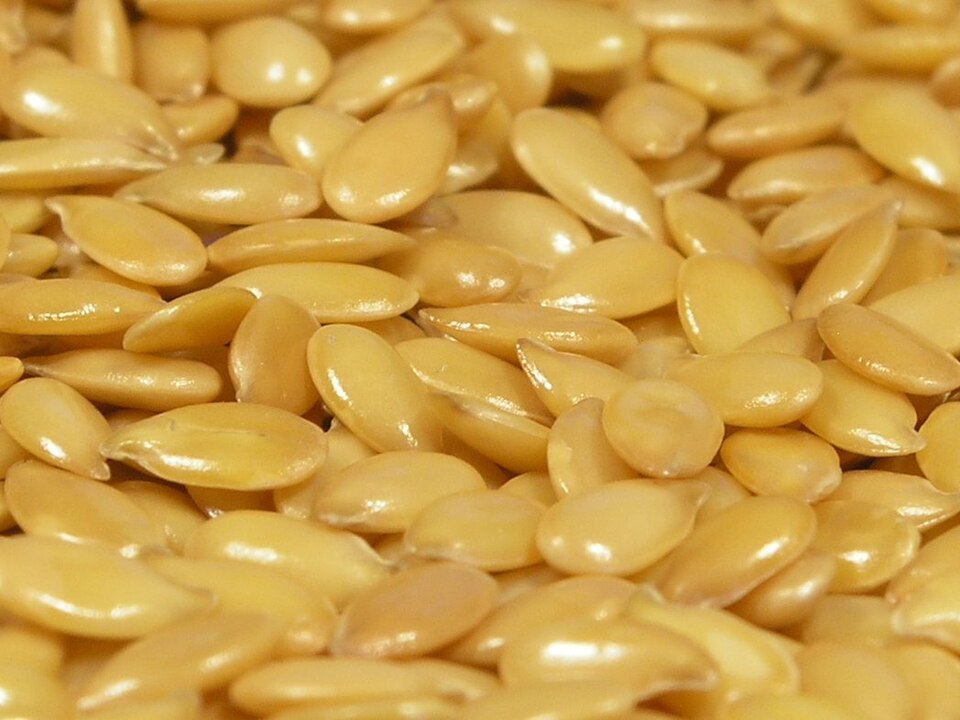
Flax seed and its oil are nontoxic and are safe for human consumption.
However, like many common foods, flax contains small amounts of cyanogenic glycoside. This is nontoxic when eaten in normal amounts. It may be toxic when eaten in large quantities as with staple foods such as cassava. The small percentage of cyanide can be removed by special processing.
Where this page comes from
The article above is adapted from “Flax” on Simple English Wikipedia, by its contributors. We removed reference markers, navigation boxes and tables, expanded measurement templates into readable numbers, and kept the prose otherwise intact.
Both sources are published under CC BY-SA 4.0, so this page is published under the same licence. You may share and adapt it, including commercially, as long as you credit the original and keep the same licence.
Worksheets, answer keys and printable layouts elsewhere on K5Print are our own work and are not covered by this licence.