Geography of Europe

Geography of Europe Europe is a continent of over 50 countries with a border that is largely undefined (defining which countries are European and which aren’t is argued a lot) and with many different landscapes, climates and wildlife.
Islands of Europe
Europe has many thousands of islands and some of these are countries (../Iceland/ and ../Cyprus/, for example). The largest islands are Iceland, Great Britain, Ireland (includes the country called “Ireland” and Northern Ireland which is part of the UK), Sicily, Spitsbergen and Sardinia.
Mountains of Europe
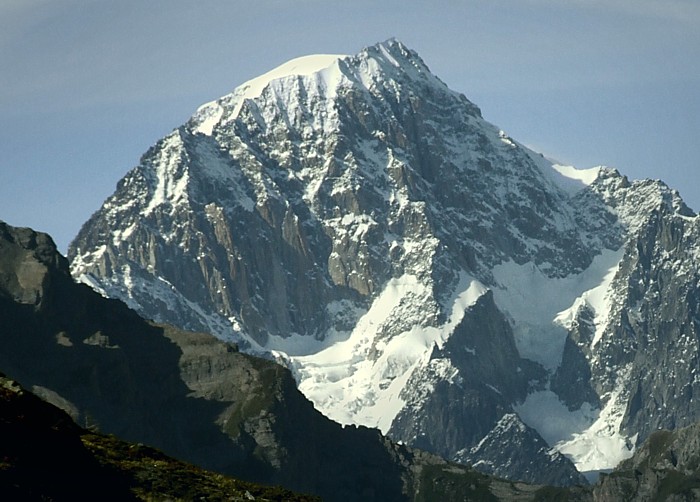
In the east of the continent are the Ural mountains (click the mountain links to read the article on Wikipedia) which separate Europe from Asia. North of the Mediterranean Sea are the Alps which run through ../France/, ../Switzerland/, ../Italy/, ../Germany/, ../Austria/ and ../Slovenia/. In the centre and south of the continent are the Carpathian Mountains.
Climate of Europe
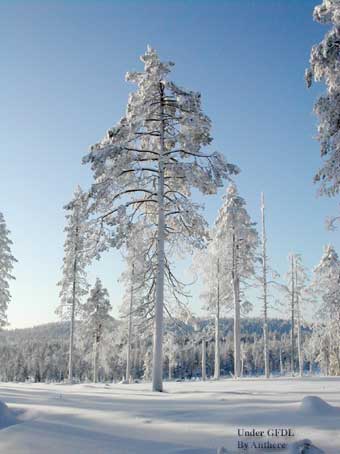
The far north (Iceland, ../Norway/, ../Sweden/, ../Finland/ and ../Russia/) pass through the Arctic Circle which is the area near the North Pole where temperatures can be very low. Countries to the east and inland of Europe can have very cold winters but those in the west have milder winters because of warmth from the Gulf Stream which brings hotter temperatures. Southern areas around the Mediterranean Sea can have constantly hot summers and pleasant winters.
Volcanoes and Other Natural Occurrences in Europe
Europe has 11 volcanoes. The second-highest and most famous is Etna in Sicily, Italy at 3,263 metres. It is well-known for its height, its close location to the major city of Catania and its constant eruptions over the past few years. Europe’s highest volcano is Pico del Teide in the Canary Island, Spain.
Landlocked Countries
A landlocked country is a country which has no connection to a sea or ocean. Countries like Georgia and Ukraine are not landlocked because they have coastlines on the Black Sea. There are 16 landlocked countries in Europe: Andorra, Armenia, Austria, Belarus, Kosovo, Czechia, Hungary, Liechtenstein, Luxembourg, North Macedonia, Moldova*, San Marino, Serbia, Slovakia, Switzerland and Vatican City. Liechtenstein is unique in Europe because it is doubly-landlocked meaning it is both landlocked and surrounded by countries which are also landlocked, a situation it only shares with Uzbekistan which is the second country in the world surrounded only by landlocked countries (Turkmenistan, Kazakhstan, Kyrgyzstan, Tajikistan and Afghanistan). Although the state of Kosovo is placed as a landlocked countries in the Europe, the state has not obtained the country status. If the Serbian breakaway Kosovo is considered as the country, the Moldovan breakaway part Transnistria need to be recognized as another landlocked countries of the Europe. Hence, if we count only the UN recognized countries there are 15 landlocked countries in Europe, or the 17 countries along with breakaway regions.
Written for younger readers
Geography of Europe, in simpler words
This version comes from Wikijunior, a set of books written for children aged 8 to 11. It is shorter and uses plainer language than the article above.
From Wikijunior: Europe
Geography of Europe Europe is a continent of over 50 countries with a border that is largely undefined (defining which countries are European and which aren’t is argued a lot) and with many different landscapes, climates and wildlife.
Europe has many thousands of islands and some of these are countries (../Iceland/ and ../Cyprus/, for example). The largest islands are Iceland, Great Britain, Ireland (includes the country called “Ireland” and Northern Ireland which is part of the UK), Sicily, Spitsbergen and Sardinia.
In the east of the continent are the Ural mountains (click the mountain links to read the article on Wikipedia) which separate Europe from Asia. North of the Mediterranean Sea are the Alps which run through ../France/, ../Switzerland/, ../Italy/, ../Germany/, ../Austria/ and ../Slovenia/. In the centre and south of the continent are the Carpathian Mountains.
The far north (Iceland, ../Norway/, ../Sweden/, ../Finland/ and ../Russia/) pass through the Arctic Circle which is the area near the North Pole where temperatures can be very low. Countries to the east and inland of Europe can have very cold winters but those in the west have milder winters because of warmth from the Gulf Stream which brings hotter temperatures. Southern areas around the Mediterranean Sea can have constantly hot summers and pleasant winters.
Europe has 11 volcanoes. The second-highest and most famous is Etna in Sicily, Italy at 3,263 metres. It is well-known for its height, its close location to the major city of Catania and its constant eruptions over the past few years. Europe’s highest volcano is Pico del Teide in the Canary Island, Spain.
A landlocked country is a country which has no connection to a sea or ocean. Countries like Georgia and Ukraine are not landlocked because they have coastlines on the Black Sea. There are 16 landlocked countries in Europe: Andorra, Armenia, Austria, Belarus, Kosovo, Czechia, Hungary, Liechtenstein, Luxembourg, North Macedonia, Moldova*, San Marino, Serbia, Slovakia, Switzerland and Vatican City. Liechtenstein is unique in Europe because it is doubly-landlocked meaning it is both landlocked and surrounded by countries which are also landlocked, a situation it only shares with Uzbekistan which is the second country in the world surrounded only by landlocked countries (Turkmenistan, Kazakhstan, Kyrgyzstan, Tajikistan and Afghanistan). Although the state of Kosovo is placed as a landlocked countries in the Europe, the state has not obtained the country status. If the Serbian breakaway Kosovo is considered as the country, the Moldovan breakaway part Transnistria need to be recognized as another landlocked countries of the Europe. Hence, if we count only the UN recognized countries there are 15 landlocked countries in Europe, or the 17 countries along with breakaway regions.
Where this page comes from
The article above is adapted from “Geography of Europe” on Simple English Wikipedia, by its contributors. We removed reference markers, navigation boxes and tables, expanded measurement templates into readable numbers, and kept the prose otherwise intact. The simpler version is adapted from Wikijunior on Wikibooks.
Both sources are published under CC BY-SA 4.0, so this page is published under the same licence. You may share and adapt it, including commercially, as long as you credit the original and keep the same licence.
Worksheets, answer keys and printable layouts elsewhere on K5Print are our own work and are not covered by this licence.