Chemical and bacteriological weapons
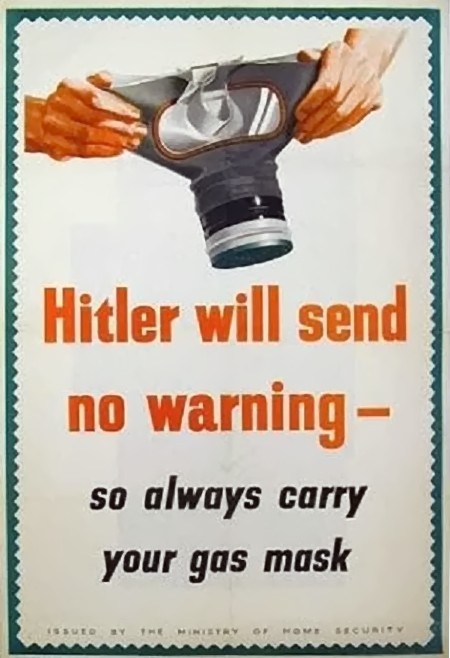

A “chemical” weapon is one that contains something that when released will hurt people. This could be poison gas, acid or liquids that burn the skin. A “bacteriological” or “biological” weapon is a germ that makes people ill.
History of chemical and biological weapons before World War II
These weapons have been used for a long time. As long ago as 1500 BC (that’s 3,500 years ago!), people who had a terrible disease called Plague were forced into enemy towns and villages so that they would give the disease to the enemy soldiers. 2000 years ago people used arrows dipped in snake venom.
In World War I, Germany tried to spread anthrax, a nasty illness that kills animals as well as people. They also spread glanders, which kills cows and pigs. Then they tried to bring a fungus that kills wheat into the United States. All these attacks were meant to weaken the allies.
Gas weapons were used a lot in World War I. Tear gas was used, which makes your eyes water badly so it is hard to see. If you could blind your enemy, he couldn’t see to shoot. Then the Germans started using chlorine gas. This is the same chemical used to clean swimming pool water and in bleach. It attacked the lungs, making it hard to breathe, and could kill. The British decided to fight back and started to use chlorine as well. The gas wasn’t used very often because it was hard to make sure only the enemy was hurt. If the wind was blowing the wrong way, or your own soldiers moved forward quickly, they could end up in the gas cloud.
Later in the war the Germans began to use phosgene, another deadly gas. Finally they used mustard gas, the most terrible of all the gases. It burnt the skin and made it hard to breathe. It killed but took four or five weeks to do so, during which time the soldier was in a lot of pain. It also stuck to the ground meaning it could poison people for weeks.
By the end of the war, chemical weapons weren’t working against well trained and equipped soldiers. One quarter of shells contained gas but they only three in every hundred men were killed by gas (the rest by normal shells).
Use in World War II
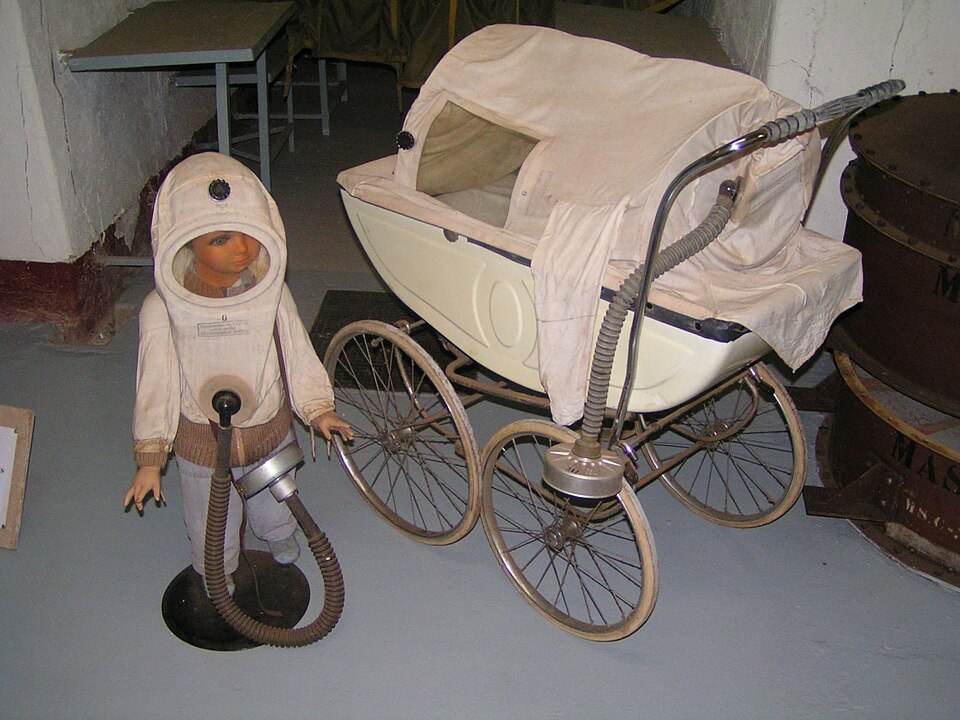
After World War I, many countries got together and agreed not to use these weapons again. But, as both sides in World War I had used them, everybody thought they would be used again. So every soldier had to carry a gas mask in case of a gas attack. People not fighting had to carry a mask too - every child at school carried one in a box. Gas masks were supplied for animals too, like dogs and horses. The Germans even made covers for prams!
Both the Axis and Allied powers continued to develop and store chemical and biological weapons, but in the end only the Japanese used them against soldiers. The Germans used Zyklon B in their “concentration camps” to kill prisoners.
The Japanese bombed China with plague as well as releasing insects carrying the disease and handing out infected food for Chinese people to eat. We think nearly 400,000 people died from the disease. They also tried to put another nasty illness, typhus, into rivers, but this didn’t work so well.
Written for younger readers
Chemical and bacteriological weapons, in simpler words
This version comes from Wikijunior, a set of books written for children aged 8 to 11. It is shorter and uses plainer language than the article above.
From Wikijunior: World War II
A “chemical” weapon is one that contains something that when released will hurt people. This could be poison gas, acid or liquids that burn the skin. A “bacteriological” or “biological” weapon is a germ that makes people ill.
These weapons have been used for a long time. As long ago as 1500 BC (that’s 3,500 years ago!), people who had a terrible disease called Plague were forced into enemy towns and villages so that they would give the disease to the enemy soldiers. 2000 years ago people used arrows dipped in snake venom.
In World War I, Germany tried to spread anthrax, a nasty illness that kills animals as well as people. They also spread glanders, which kills cows and pigs. Then they tried to bring a fungus that kills wheat into the United States. All these attacks were meant to weaken the allies.
Gas weapons were used a lot in World War I. Tear gas was used, which makes your eyes water badly so it is hard to see. If you could blind your enemy, he couldn’t see to shoot. Then the Germans started using chlorine gas. This is the same chemical used to clean swimming pool water and in bleach. It attacked the lungs, making it hard to breathe, and could kill. The British decided to fight back and started to use chlorine as well. The gas wasn’t used very often because it was hard to make sure only the enemy was hurt. If the wind was blowing the wrong way, or your own soldiers moved forward quickly, they could end up in the gas cloud.
Later in the war the Germans began to use phosgene, another deadly gas. Finally they used mustard gas, the most terrible of all the gases. It burnt the skin and made it hard to breathe. It killed but took four or five weeks to do so, during which time the soldier was in a lot of pain. It also stuck to the ground meaning it could poison people for weeks.
By the end of the war, chemical weapons weren’t working against well trained and equipped soldiers. One quarter of shells contained gas but they only three in every hundred men were killed by gas (the rest by normal shells).
After World War I, many countries got together and agreed not to use these weapons again. But, as both sides in World War I had used them, everybody thought they would be used again. So every soldier had to carry a gas mask in case of a gas attack. People not fighting had to carry a mask too - every child at school carried one in a box. Gas masks were supplied for animals too, like dogs and horses. The Germans even made covers for prams!
Both the Axis and Allied powers continued to develop and store chemical and biological weapons, but in the end only the Japanese used them against soldiers. The Germans used Zyklon B in their “concentration camps” to kill prisoners.
The Japanese bombed China with plague as well as releasing insects carrying the disease and handing out infected food for Chinese people to eat. We think nearly 400,000 people died from the disease. They also tried to put another nasty illness, typhus, into rivers, but this didn’t work so well.
Where this page comes from
The article above is adapted from “Chemical and bacteriological weapons” on Simple English Wikipedia, by its contributors. We removed reference markers, navigation boxes and tables, expanded measurement templates into readable numbers, and kept the prose otherwise intact. The simpler version is adapted from Wikijunior on Wikibooks.
Both sources are published under CC BY-SA 4.0, so this page is published under the same licence. You may share and adapt it, including commercially, as long as you credit the original and keep the same licence.
Worksheets, answer keys and printable layouts elsewhere on K5Print are our own work and are not covered by this licence.