Industrialisation
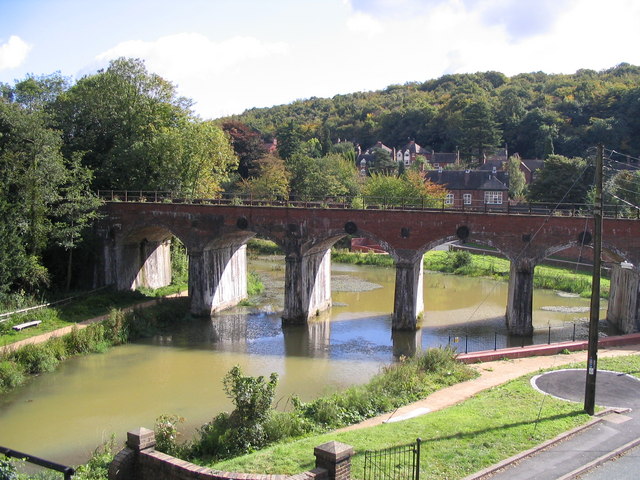

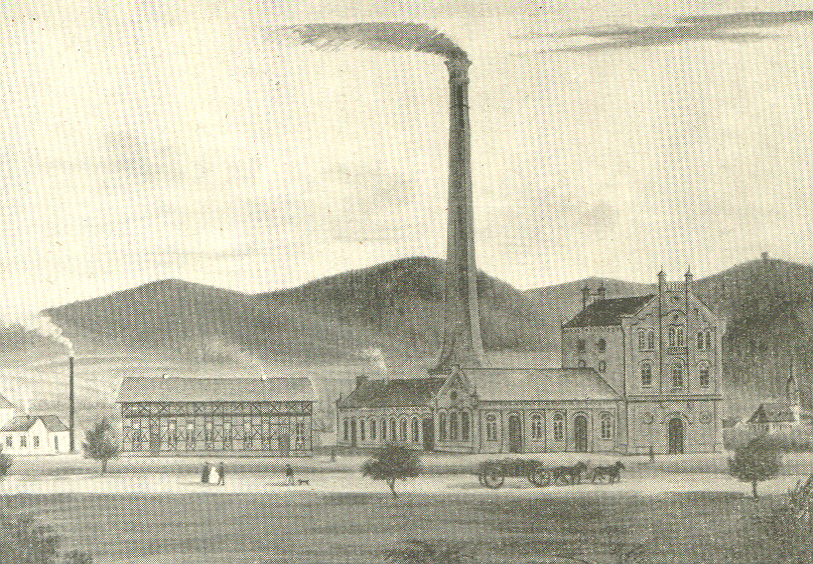
Industrialisation (or industrialization) is a process that happens in countries when they start to use machines to do work that was once done by people. Industrialisation changes the things people do. Industrialisation caused towns to grow larger. Many people left farming to take higher paid jobs in factories in towns.
Industrialisation is part of a process where people adopt easier and cheaper ways to make things. Using better technology, it becomes possible to produce more goods in a shorter amount of time. More things can be produced by fewer people.
After industrialisation people also do more specialised jobs. For example before industrialisation, a cobbler made the whole shoe. He worked on one pair of shoes, finished that, and then did the next pair of shoes. Industrial shoemaking involves many people in making shoes in a factory. An individual worker has a smaller task, however. One person cuts the sole of the shoe. Another person stitches it on. In short there is division of labour. They make even more shoes when they use cutting machines, sewing machines and other special machines. The factory may be owned by a rich person who can afford the machines, or by a company.
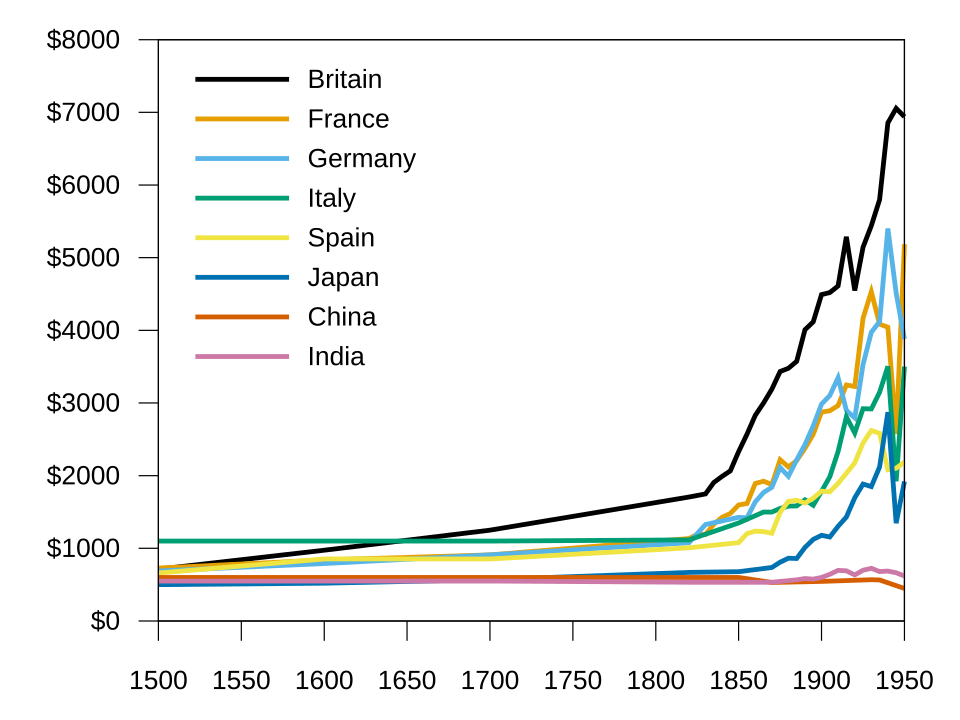
Industrialisation started in England with the industrial revolution in the 18th century. It spread first to parts of Europe, and to North America. In the 20th century industrialisation spread to most other countries.
Written for younger readers
Industrialisation, in simpler words
This version comes from Wikijunior, a set of books written for children aged 8 to 11. It is shorter and uses plainer language than the article above.
From Wikijunior: Introduction to History
People flocked to cities to work in factories. While in earlier ages most people lived in the country, working on farms, today most people live in cities. At first, industrial cities were crowded, dirty, and disease ridden. In London, the skies were black with soot, and after working for twelve hours in a factory, the people would crowded into bars, called gin mills, to spend their hard earned coins and drink themselves into a stupor – it was the only way they could sleep amid the stench and the crowds. Children had to work, too, and the gin mills had steps that small children could climb to exchange their hard earned coins for a shot of gin. If the cities were such horrible places, why did people flock to them in such numbers? Because it beat farming.
Then several things began to happen. The number of people that modern farms could feed was much greater than the number that the old style of farming could provide for. Also, as the science of medicine began to cure diseases, people began to live longer, and fewer babies died. The population began to explode.
Where this page comes from
The article above is adapted from “Industrialisation” on Simple English Wikipedia, by its contributors. We removed reference markers, navigation boxes and tables, expanded measurement templates into readable numbers, and kept the prose otherwise intact. The simpler version is adapted from Wikijunior on Wikibooks.
Both sources are published under CC BY-SA 4.0, so this page is published under the same licence. You may share and adapt it, including commercially, as long as you credit the original and keep the same licence.
Worksheets, answer keys and printable layouts elsewhere on K5Print are our own work and are not covered by this licence.