Saxons
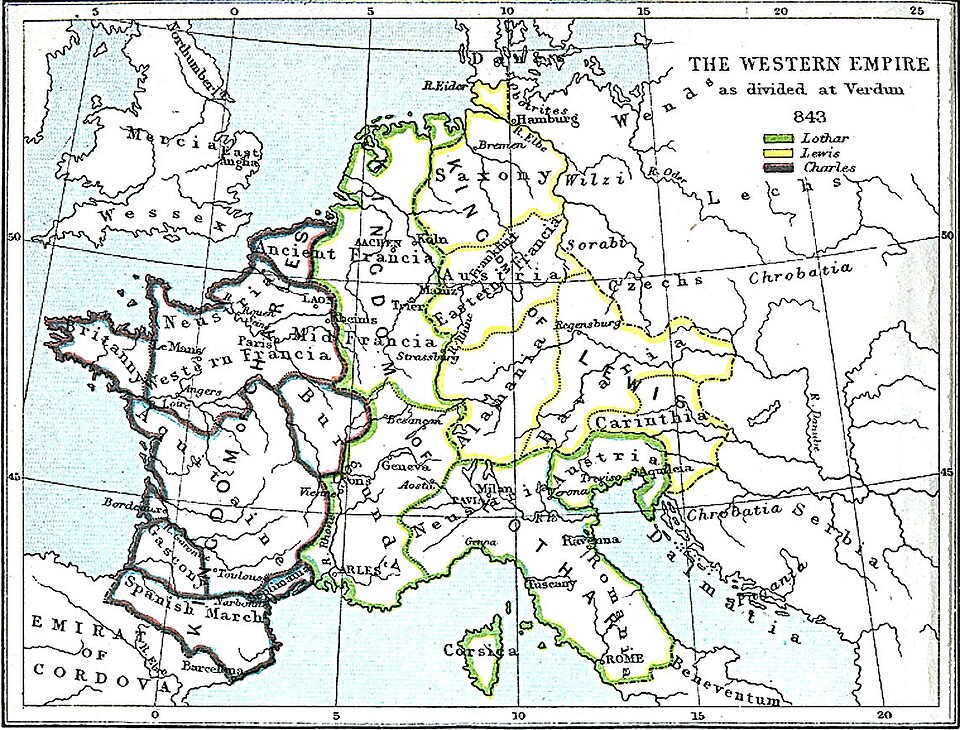

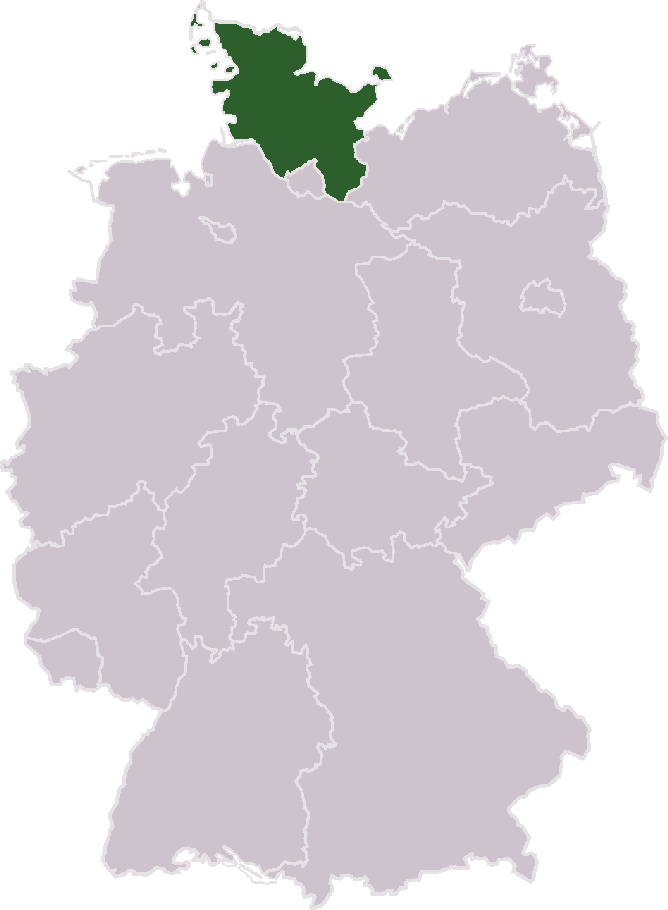
The Saxons, or Saxon people, are (today) part of the German people, with their main areas of settlements in the German States of Schleswig-Holstein, Lower Saxony, Westphalia, and the northeastern part of the Netherlands (Groningen, Drenthe, Twente, Salland, Veluwe and Achterhoek).
First mentioned by the Ancient Greek geographer Ptolemy, the pre-Christian area of the Saxon people first covered an area a little more to the northwest, with parts of the southern Jutland Peninsula, Old Saxony and small parts of the eastern Netherlands. During the 5th century AD, the Saxons were part of the people invading the Romano-British province of Britannia and so formed the Anglo-Saxons.
Before Christianization, the Saxons had much in common with other native pre-Christian Germanic paganism. After Christianization, parts of the religion have remained in people who came from the Saxons.
The word “Saxon” is thought to come from the word seax, a mixture of single-edged knives. The Saxons were thought by Charlemagne and historians to be very war-like and angry.
Many words like “radish” that are used today were created by the Saxons.
The Finnish and Estonian name for Germany, Saksa, comes from the Saxons.
Written for younger readers
Saxons, in simpler words
This version comes from Wikijunior, a set of books written for children aged 8 to 11. It is shorter and uses plainer language than the article above.
From Wikijunior: Ancient Civilizations
Before the 7th Century, the Saxons lived in Central Europe (especially Germany). During the 7th Century the Saxons seeking new lands invaded England. For 400 years the Saxons (along with other tribes) became part of Great Britan. In 1066, William the Conqueror (a Norman King) seized control ending Saxon rule.
<– The Saxons first lived in central Europe (specifically Germany) but invaded Great Britain in the 7th century. They lived there for 400 years as the lords of the land, but were taken over by William the Conqueror in 1066. –>
Archeologists discovered that the ruins of villages were small one room houses surrounding a great hall in the center. Saxons lived in large one-room houses called heals or halls. They were made of wood and had thatched roofs made of a layer of bark with grassy sod on top of it. The roof was low to the ground so that animals could graze on it. There was a window in the top of the roof to let light and air in. It also let the smoke out from the big fire used for heating and cooking.
The Saxons first invaded Britain 1,500 years ago. Angles and Jutes also invaded Britain at the same time. The groups mixed and established the Anglo Saxon Kingdom which lasted until the Norman Conquest of 1066. According to Petolmey (a Germanic author during the AD 100s) the Saxons lived in what is now Schleswig-Holstein, Germany. During the 400s and 500s, the Saxons invaded Britain, and settled in southern and eastern Britain. By the 500s the Saxons had settled in most of Northern Germany between the Elbe and Rhine Rivers. In the 700s Charlemange conquered the Saxons and made their land part of his empire.
The Angles, Saxons and Jutes are known collectively as the Anglo-Saxons and they were the largest attacking tribes.
Prior to their acceptance of Christianity under Charlemange, the various Saxon tribes held many pagan or Nordic beliefs. The Saxons were forced to accept Christianity by Charlemange when he conquered their country.
The Saxons ate porridge made from barley or oats. They used wheat and rye for bread. They ate vegetables such as carrots, parsnips, cabbages, beans, peas, and onions. They ate fruits such as apples, cherries, and plums. Exotic foods such as potatoes, tomatoes, bananas, and pineapples would not have been available to them, as these grew only in the Americas at that time. They drank a weak beer made from barley. Wine was only for the rich. Deer and wild boar were only hunted by people who owned the land, so not everyone had these meats. Fish, such as Bottom Herring, Salmon, Eel, Perch, Pike, and Plaice, were caught in rivers and seas.
Where this page comes from
The article above is adapted from “Saxons” on Simple English Wikipedia, by its contributors. We removed reference markers, navigation boxes and tables, expanded measurement templates into readable numbers, and kept the prose otherwise intact. The simpler version is adapted from Wikijunior on Wikibooks.
Both sources are published under CC BY-SA 4.0, so this page is published under the same licence. You may share and adapt it, including commercially, as long as you credit the original and keep the same licence.
Worksheets, answer keys and printable layouts elsewhere on K5Print are our own work and are not covered by this licence.