Simple passage
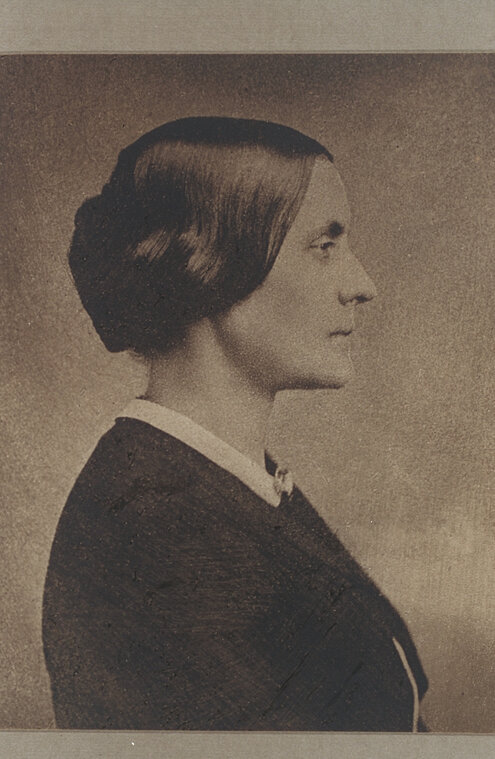

Susan B. Anthony was a women’s rights activist in the United States. She was a prominent figure in the women’s suffrage movement, and was influential in the ratification of the 19th Amendment, which granted women equal voting rights. Susan B. Anthony was also an abolitionist, meaning she believed that slavery should be banned.
Early life
Susan B. Anthony was born Susan Anthony in Adams, Massachusetts, on 15 February 1820. She belonged to a family of Quakers, a Christian denomination that believes in peace and equal rights. Her father, Daniel Anthony, was a textile factory owner. Her mother was named Lucy Anthony. Her father was also an abolitionist.
In their childhood, Susan and her sisters added middle initials to their names, as was popular at the time. This is when Susan added the b to her name.
Activism
When she was 17, Susan began collecting anti-slavery petitions. She soon began to advocate for women’s rights, and in 1851 was introduced to Elizabeth Cady Stanton, a fellow women’s rights activist. She and Elizabeth Cady Stanton began working as partners, and even founded the Women’s Loyal National League during the Civil War to campaign for an amendment that would ban slavery across the nation.
Written for younger readers
Simple passage, in simpler words
This version comes from Wikijunior, a set of books written for children aged 8 to 11. It is shorter and uses plainer language than the article above.
From Wikijunior: Susan B. Anthony
Susan B. Anthony was a women’s rights activist in the United States. She was a prominent figure in the women’s suffrage movement, and was influential in the ratification of the 19th Amendment, which granted women equal voting rights. Susan B. Anthony was also an abolitionist, meaning she believed that slavery should be banned.
Susan B. Anthony was born Susan Anthony in Adams, Massachusetts, on 15 February 1820. She belonged to a family of Quakers, a Christian denomination that believes in peace and equal rights. Her father, Daniel Anthony, was a textile factory owner. Her mother was named Lucy Anthony. Her father was also an abolitionist.
In their childhood, Susan and her sisters added middle initials to their names, as was popular at the time. This is when Susan added the b to her name.
When she was 17, Susan began collecting anti-slavery petitions. She soon began to advocate for women’s rights, and in 1851 was introduced to Elizabeth Cady Stanton, a fellow women’s rights activist. She and Elizabeth Cady Stanton began working as partners, and even founded the Women’s Loyal National League during the Civil War to campaign for an amendment that would ban slavery across the nation.
Where this page comes from
The article above is adapted from “Simple passage” on Simple English Wikipedia, by its contributors. We removed reference markers, navigation boxes and tables, expanded measurement templates into readable numbers, and kept the prose otherwise intact. The simpler version is adapted from Wikijunior on Wikibooks.
Both sources are published under CC BY-SA 4.0, so this page is published under the same licence. You may share and adapt it, including commercially, as long as you credit the original and keep the same licence.
Worksheets, answer keys and printable layouts elsewhere on K5Print are our own work and are not covered by this licence.