Inflorescence
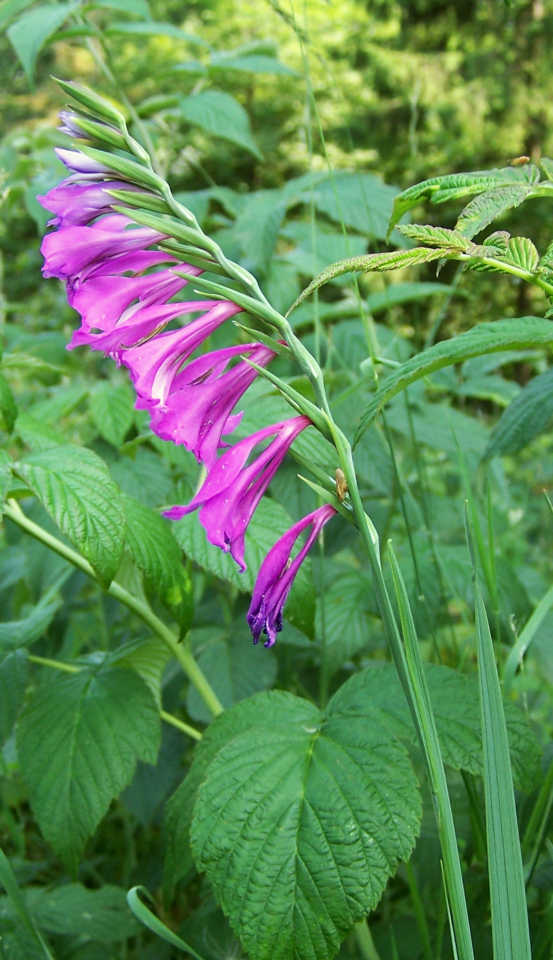

An inflorescence is a flowering stem. The term is most used for a group or cluster of flowers arranged on a stem. An inflorescence is the reproductive portion of a plant; each plant bears its flowers in a specific pattern.
Whereas gymnosperms are mostly wind-pollinated, flowering plants are mostly pollinated by insects. There are some exceptions to this, for instance grasses are wind-pollinated. However, as a general rule, flowering plants rely on animals for their pollination.
Most flowers are pollinated by animals, usually insects. To be pollinated, a flower needs to be seen. Most insects have good colour vision, including vision in the ultra-violet (which humans do not have). That is the reason many flowers have attractive colours.
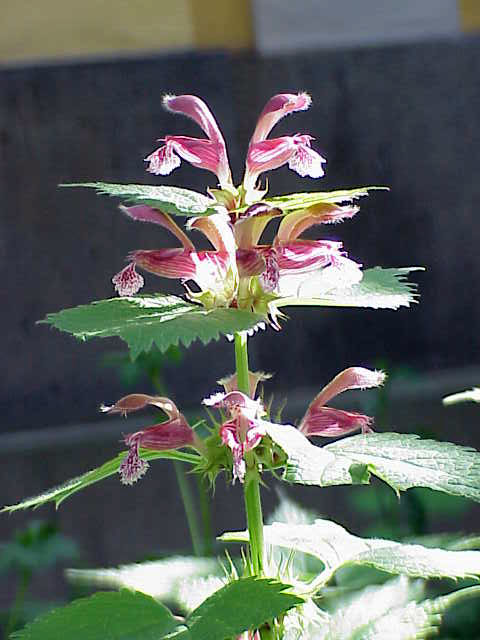
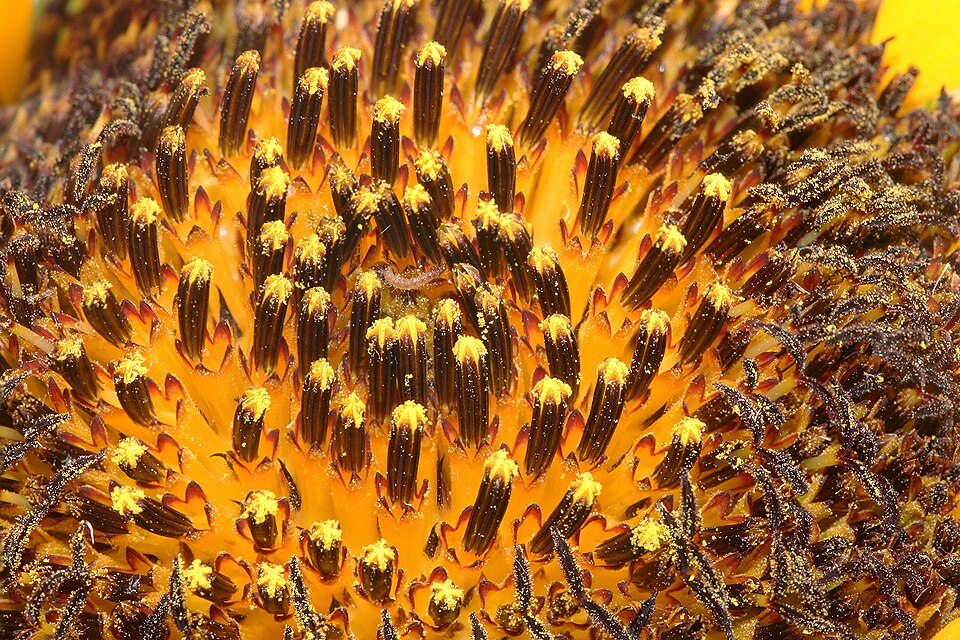
Sometimes there is just a close bunch of flowers (e.g. Antirrhinum) on a spike. Sometimes the inflorescence is so tight it looks like one single flower. What you see as a single daisy is actually made of several hundred tiny flowers packed together. This kind of inflorescence is called a pseudanthium (“false flower”).
Advantages
The advantages of the inflorescence mode is all about reproduction compared to a single primitive flower of the Magnolia type.
Image:Traube (inflorescence).svg|A raceme Image:Inflorescences Spike Kwiatostan Kłos.svg|A spike Image:Kätzchen (inflorescence).svg|Catkin (racemose or spicate) Image:Kolben (inflorescence).svg|A spadix Image:Koepfchen (inflorescence).svg|Head (round) Image:Inflorescences Umbel Kwiatostan Baldach.svg|Umbel Image:Doppelkoepfchen_(inflorescence).svg|Compound capitulum Image:Dreifachdolde_(inflorescence).svg|Compound (triple) umbel Image:Inflorescences Panicle Kwiatostan Wiecha.svg|Panicle
Where this page comes from
The article above is adapted from “Inflorescence” on Simple English Wikipedia, by its contributors. We removed reference markers, navigation boxes and tables, expanded measurement templates into readable numbers, and kept the prose otherwise intact.
Both sources are published under CC BY-SA 4.0, so this page is published under the same licence. You may share and adapt it, including commercially, as long as you credit the original and keep the same licence.
Worksheets, answer keys and printable layouts elsewhere on K5Print are our own work and are not covered by this licence.