Mango

Fast facts
- Phylum
- Magnoliophyta
- Genus
- Mangifera
Nutrition facts: raw mango
One serving is 1 cup pieces (165 g).
| Nutrient | Per 100 g | Per serving | % Daily Value |
|---|---|---|---|
| Calories | 60 kcal | 99 kcal | — |
| Protein | 0.8 g | 1.4 g | 3% |
| Total fat | 0.4 g | 0.6 g | 1% |
| Carbohydrate | 15.0 g | 24.7 g | 9% |
| Fiber | 1.6 g | 2.6 g | 9% |
| Sugars | 13.7 g | 22.5 g | — |
| Vitamin C | 36.4 mg | 60.1 mg | 67% |
| Vitamin A | 54 µg | 89 µg | 10% |
| Calcium | 11 mg | 18 mg | 1% |
| Iron | 0.2 mg | 0.3 mg | 1% |
| Potassium | 168 mg | 277 mg | 6% |
| Sodium | 1 mg | 2 mg | — |
One serving has about 67% of the Daily Value for vitamin C.
Data: USDA FoodData Central (public domain, CC0) — “Mangos, raw”. Percent Daily Values use the FDA’s reference amounts for labels.
A mango is a type of fruit. The mango tree is native to South Asia, from where it has been taken to become one of the most widely cultivated fruits in the tropics. It is harvested in the month of March (summer season) until the mid of June.
India has the major export market of mangoes. It is also their national fruit. Ripe mangoes are very sweet in taste but they are bitterly sour before they ripen. There are many different types of mangoes found in India such as Langra, Dusshera, Chausa, Tota, and Safadi. Alphonso mangoes can be found in various parts of western India.
These mangoes are also indigenous to the southern part of Nigeria, Akwa Ibom. Described by these southerners (the Ibibios) as Grade 1 mangoes.
Benefits of Mango
- High in nutrients
- Low-calorie intake
- Mango may aid in the prevention of diabetes
- Mango contains immune-boosting nutrients
- Helps to maintain heart health
- Mango may support your eye health
- It reduces the risk of certain cancers
- Mango may improve digestion
- A versatile and easy-to-use food
Mango also has a variety of other health advantages. You may learn more about these advantages here .
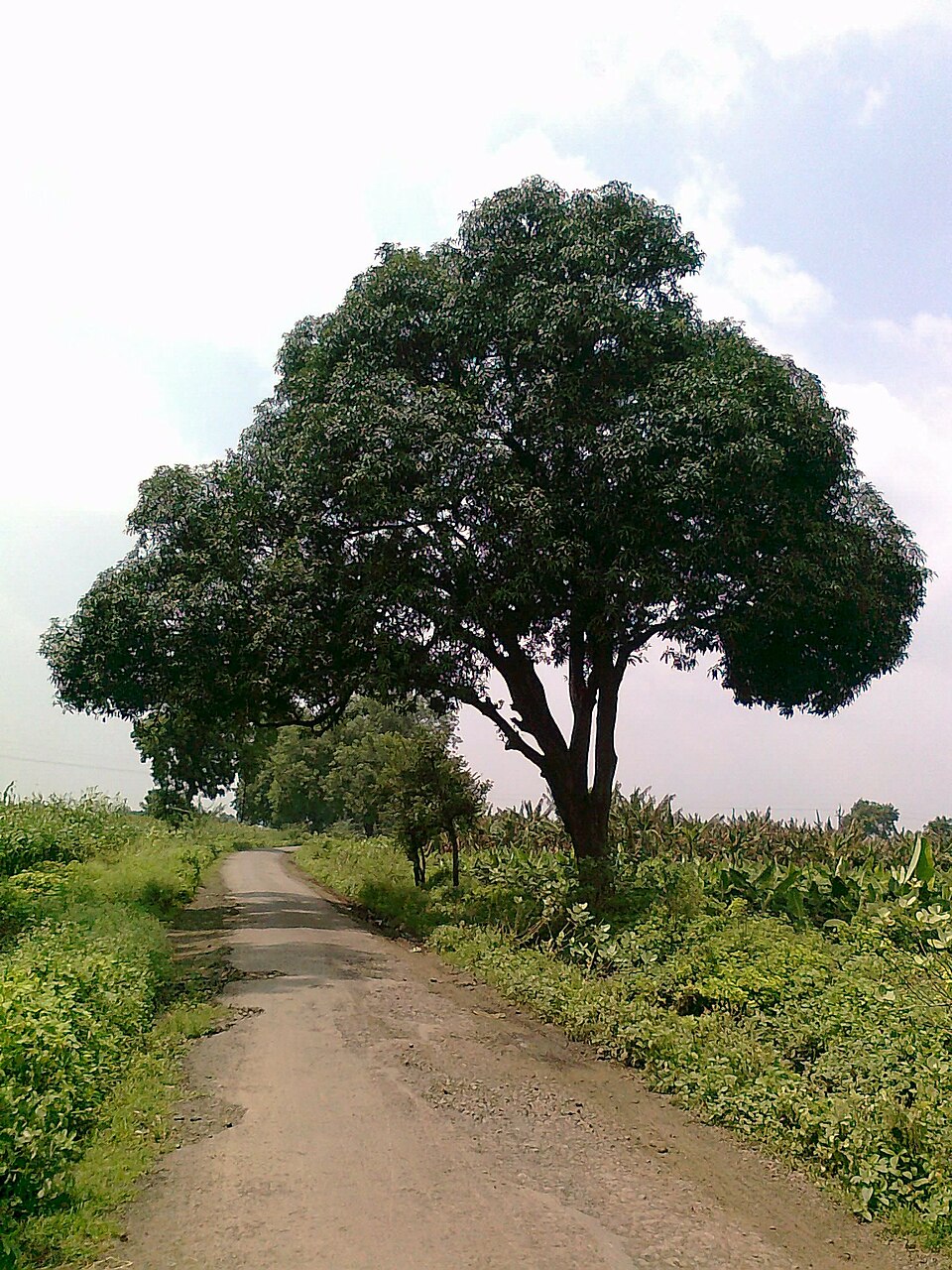
Mango trees
The tree is mainly known for its fruit rather than for its wood. However, mango trees can be converted to lumber once their fruit bearing lifespan had finished. The wood is susceptible to damage from fungi and insects. The wood is used for musical instruments such as Ukeleles, plywood and low-cost furniture. The wood is also known to produce phenolic substances that can cause dermatitis.
Where this page comes from
The article above is adapted from “Mango” on Simple English Wikipedia, by its contributors. We removed reference markers, navigation boxes and tables, expanded measurement templates into readable numbers, and kept the prose otherwise intact.
Both sources are published under CC BY-SA 4.0, so this page is published under the same licence. You may share and adapt it, including commercially, as long as you credit the original and keep the same licence.
Worksheets, answer keys and printable layouts elsewhere on K5Print are our own work and are not covered by this licence.