Mould
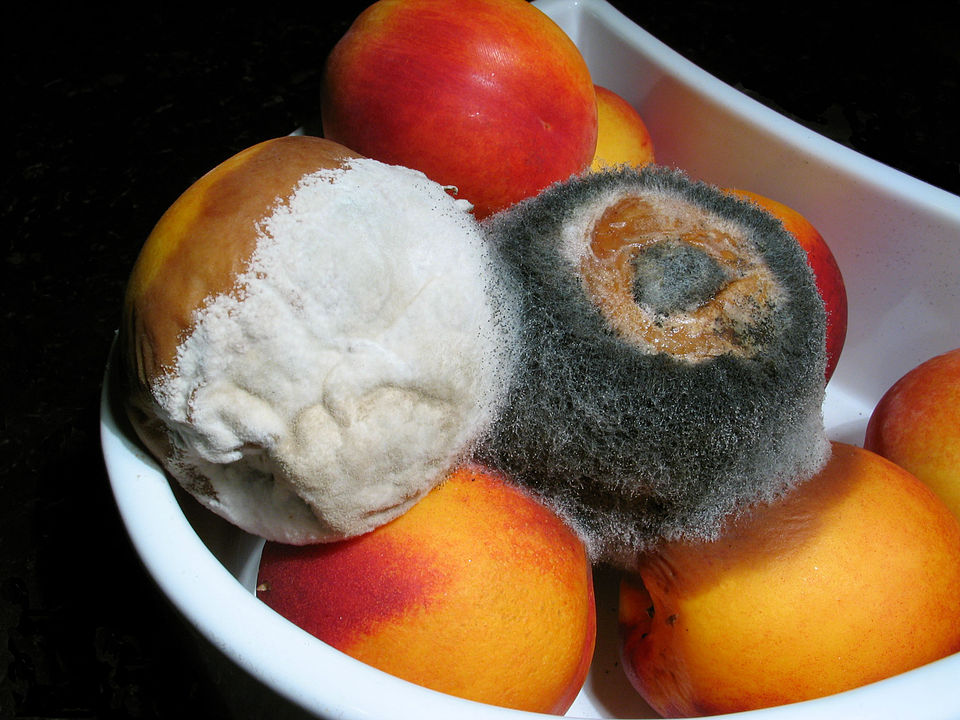

Mould (or mold) is a type of fungus. It grows in the form of multicellular filaments called hyphae. In contrast, fungi that can adopt a single-celled growth habit are called yeasts.
Molds are a large group of fungi. The growth of their hyphae results in discoloration and a fuzzy appearance, especially on food. The network of these tubular branching hyphae, called a mycelium, is considered a single organism.
Mould grows from spores, which float around in the air. There are thousands of different kinds. Some molds cause disease or food spoilage. Sometimes people use them to make some kinds of cheese. Many antibiotics are developed from natural anti-bacterial substance made by moulds.
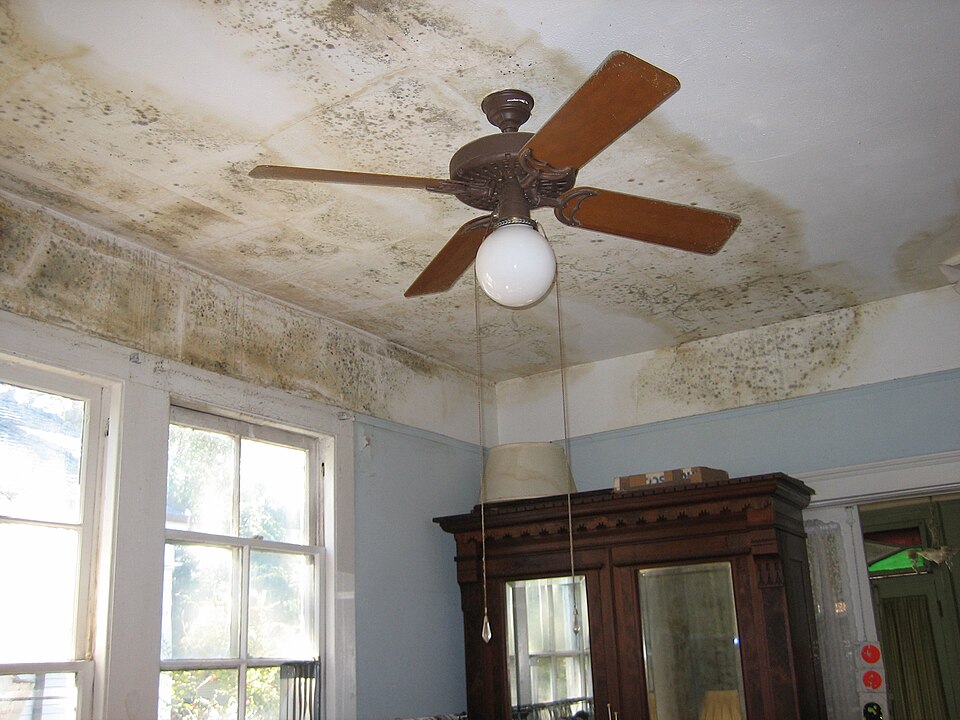
Mold or mould, also sometimes referred to as mildew, is a fungal growth that develops on wet materials. Mold is a natural part of the environment and plays an important part in nature by breaking down dead organic matter such as fallen leaves and dead trees; indoors, mold growth should be avoided and proper inspection should be done for effective mold removal.
Where this page comes from
The article above is adapted from “Mould” on Simple English Wikipedia, by its contributors. We removed reference markers, navigation boxes and tables, expanded measurement templates into readable numbers, and kept the prose otherwise intact.
Both sources are published under CC BY-SA 4.0, so this page is published under the same licence. You may share and adapt it, including commercially, as long as you credit the original and keep the same licence.
Worksheets, answer keys and printable layouts elsewhere on K5Print are our own work and are not covered by this licence.