Nectar
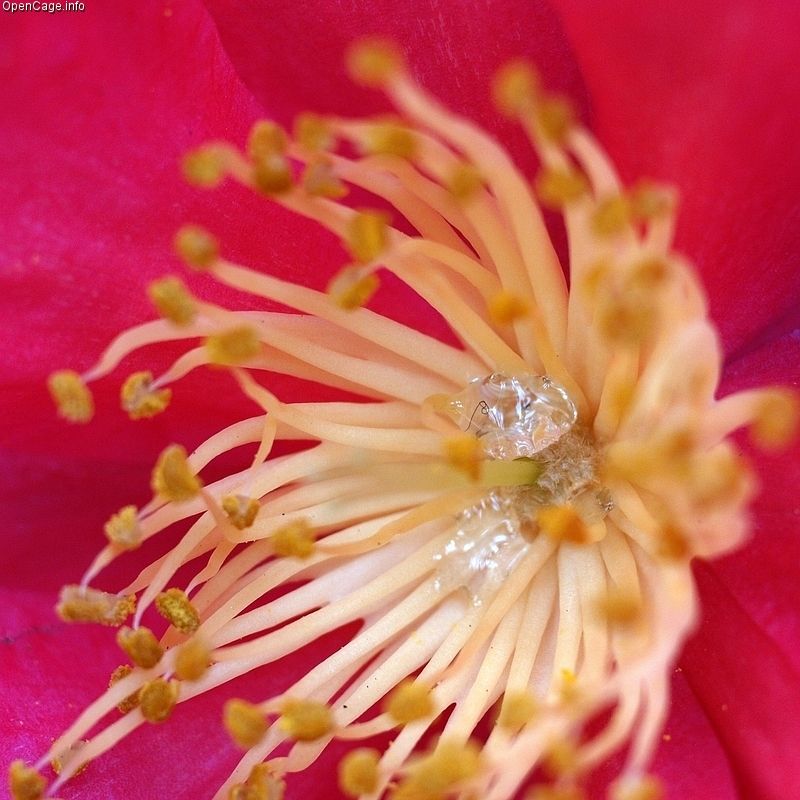

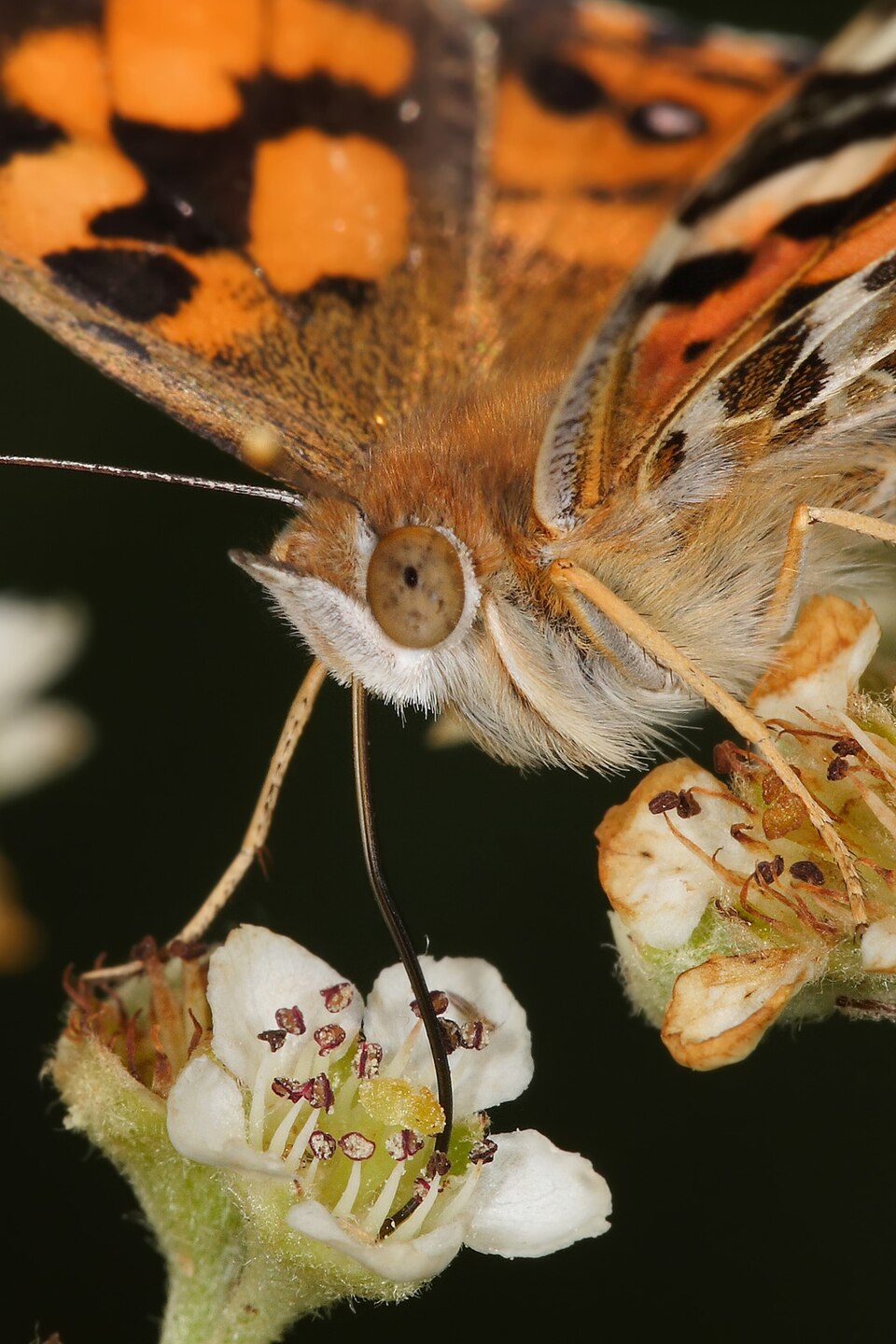
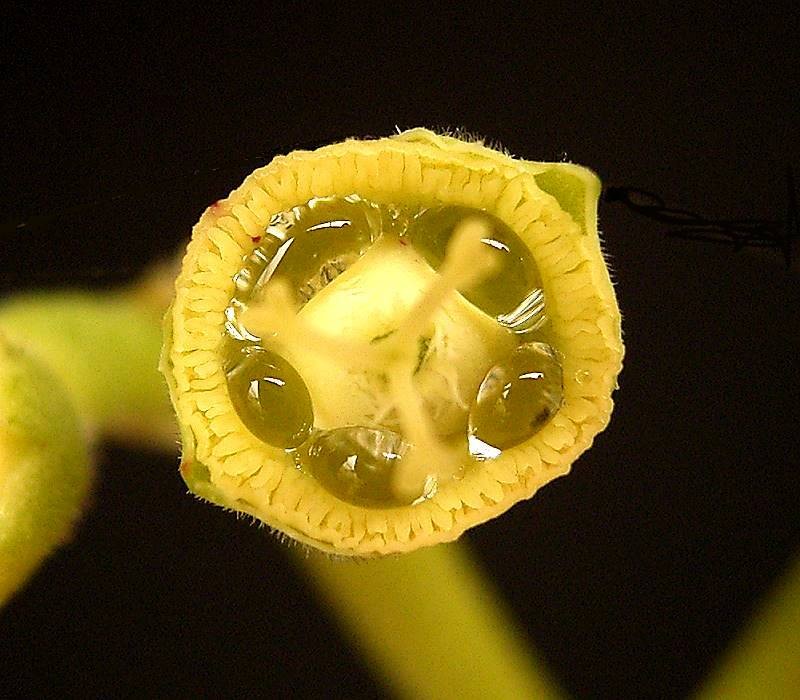
Nectar, in botany, is a clear liquid made by the flowers of plants. It is sweet because it has sugar in it. Plants make nectar to attract pollinating animals. It is made in glands called nectaries. The nectaries are usually at the bottom of the perianth of the flower.Rudall, Paula J. 2007. Anatomy of flowering plants: an introduction to structure and development (3rd ed.) Cambridge: Cambridge University Press. ISBN 9780521692458. This means the animal trying to get the nectar has to touch the parts of the plant that are used for reproduction. By doing this, the animal getting the nectar helps the plants reproduce.
Some plants make nectar outside the flower. These plants do it to attract predatory insects. These insects will eat both the nectar and any plant-eating insects found near the plant.
Nectar is economically important because it is where the sugar for honey comes from. It is also useful in agriculture and horticulture because the adults of many predatory insects, as well as hummingbirds, eat nectar. Some plants give off very rich scents.Plants need water warmth and sunlight
Extrafloral nectaries
Extrafloral nectaries (not in the flower) are specialised nectar-secreting plant glands. They develop outside flowers, and are not involved in pollination.
In contrast to floral nectaries, nectar produced outside the flower generally has a defensive function. The nectar attracts predatory insects which will eat both the nectar and any plant-eating insects around, they work as ‘bodyguards’.
Extrafloral nectaries have been reported in over 3941 species of vascular plants belonging to 745 genera and 108 families, 99.7% of which belong to flowering plants (angiosperms). This is 1.0 to 1.8% of all known species. They are most common among eudicots, occurring in 3642 species (of 654 genera and 89 families). They often occur in rosids.
Where this page comes from
The article above is adapted from “Nectar” on Simple English Wikipedia, by its contributors. We removed reference markers, navigation boxes and tables, expanded measurement templates into readable numbers, and kept the prose otherwise intact.
Both sources are published under CC BY-SA 4.0, so this page is published under the same licence. You may share and adapt it, including commercially, as long as you credit the original and keep the same licence.
Worksheets, answer keys and printable layouts elsewhere on K5Print are our own work and are not covered by this licence.