Neptunium
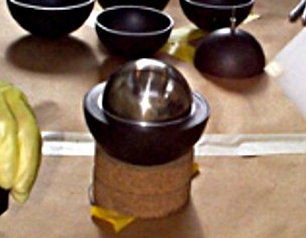

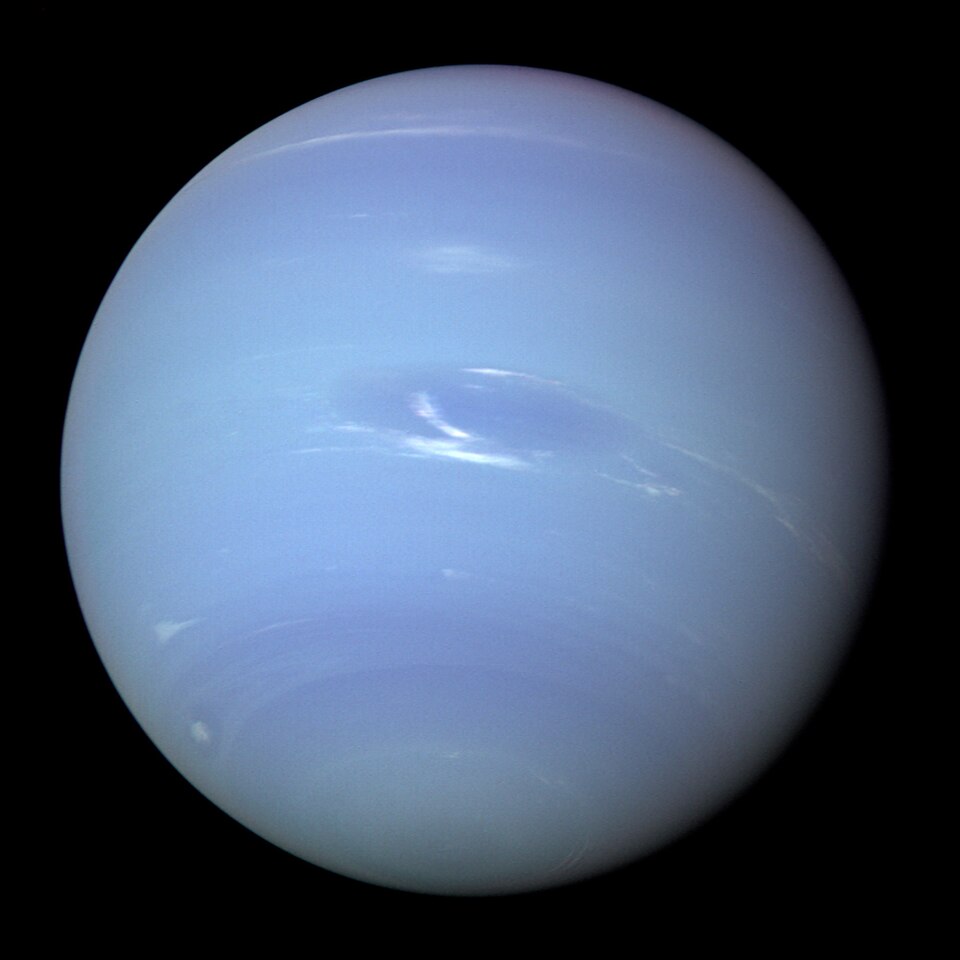
Neptunium is a chemical element that has the symbol Np on the periodic table. It has the atomic number 93 which means it has 93 protons and electrons in its atoms. It is named after the planet Neptune in the same way as Uranium is named after the planet Uranus.
History
Neptunium was discovered in the year of 1940 by two men named Edwin McMillan and Phillip H. Abelson at Berkeley Radiation Center of the University of California. It was created by fusing Hydrogen nuclei called protons into the element Uranium.
Chemistry
Neptunium is a radioactive silvery-metallic element that is part of a group of elements called the Actinides, which it shares many similarities to. Its melting point is 637 degrees Celsius, its boiling point is 4000 degrees Celsius, and its atomic mass is 237.
It oxidizes very quickly with multiple different oxidation states. It also bonds with halides and even alkali metals.
Occurence
Since all isotopes of neptunium have half-lives that are many times shorter than the age of the Earth, any neptunium that was made when the earth was formed should have decayed by now. After only about 80 million years, the concentration of even the longest-lived isotope, 237 Np, would have been reduced to less than one-trillionth (10 −12 ) of its original amount.
Written for younger readers
Neptunium, in simpler words
This version comes from Wikijunior, a set of books written for children aged 8 to 11. It is shorter and uses plainer language than the article above.
From Wikijunior: The Elements
NOTOC
Neptunium is an element with atomic number 93, standing between plutonium and uranium. It also has the symbol “Np” and an atomic weight of 237u.
Neptunium is a hard, ductile and radioactive metal. It has a silver colour which tarnishes when it is exposed to air.
Neptunium was named after the planet Neptune.
Neptunium was first discovered in 1934 by Italian scientist Enrico Fermi. Fermi found you could create neptunium by bombarding uranium with neutrons which would cause the uranium to be unstable and then split into two elements, one is neptunium.
Neptunium is fissionable, which means it can be used to create weapons such as nuclear bombs. However, neptunium still requires more studies to maximize it uses.
Neptunium is an incredibly dangerous actinide metal to contact due to its radioactivity.
Density: 11.48 ounces per cubic inch (19.86 grams per cubic cm). Phase at room temperature: solid. Melting point: 1,191 degrees Fahrenheit (644 degrees Celsius). Boiling point: 7,052 F (3,900 C). Most common isotope: Np-237.
Where this page comes from
The article above is adapted from “Neptunium” on Simple English Wikipedia, by its contributors. We removed reference markers, navigation boxes and tables, expanded measurement templates into readable numbers, and kept the prose otherwise intact. The simpler version is adapted from Wikijunior on Wikibooks.
Both sources are published under CC BY-SA 4.0, so this page is published under the same licence. You may share and adapt it, including commercially, as long as you credit the original and keep the same licence.
Worksheets, answer keys and printable layouts elsewhere on K5Print are our own work and are not covered by this licence.