Noise
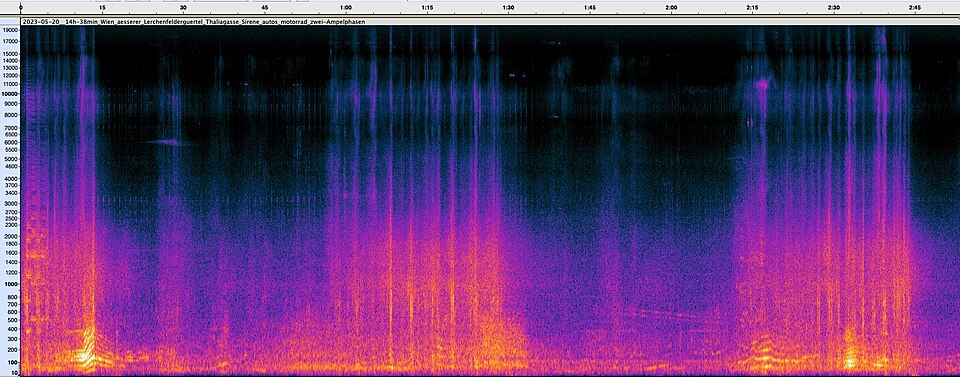

Noise refers to unwanted sound, typically perceived by the ears. It can cause damage to hearing. In physical acoustics, noise often results from irregular or unwanted vibrations transmitted through a medium. Prolonged exposure to loud noise can lead to hearing loss, a condition called deafness. The level of noise is measured in decibels (dB), and sounds above 85 dB can be harmful over time.
Noise can also describe data, such as white noise, which lacks meaningful information. Loudspeaker tests often use white noise to assess the frequency response of speakers. In mathematics, noise can also refer to random data, which is often generated without a specific pattern or predictable sequence. This type of noise is useful in fields like cryptography and simulation.
In electronics, heat causes noise in resistors, with the amount varying depending on the type of resistor. This is known as thermal noise or Johnson-Nyquist noise. Most audio devices are designed to minimize noise production by using components that reduce unwanted signals, ensuring a clearer sound.
Another type of noise, called background noise, refers to environmental sounds that are not part of the main sound being observed. This can include sounds like traffic, people talking, or machines operating. In some situations, background noise can be helpful, such as in white noise machines used to aid sleep.
Where this page comes from
The article above is adapted from “Noise” on Simple English Wikipedia, by its contributors. We removed reference markers, navigation boxes and tables, expanded measurement templates into readable numbers, and kept the prose otherwise intact.
Both sources are published under CC BY-SA 4.0, so this page is published under the same licence. You may share and adapt it, including commercially, as long as you credit the original and keep the same licence.
Worksheets, answer keys and printable layouts elsewhere on K5Print are our own work and are not covered by this licence.