Silver
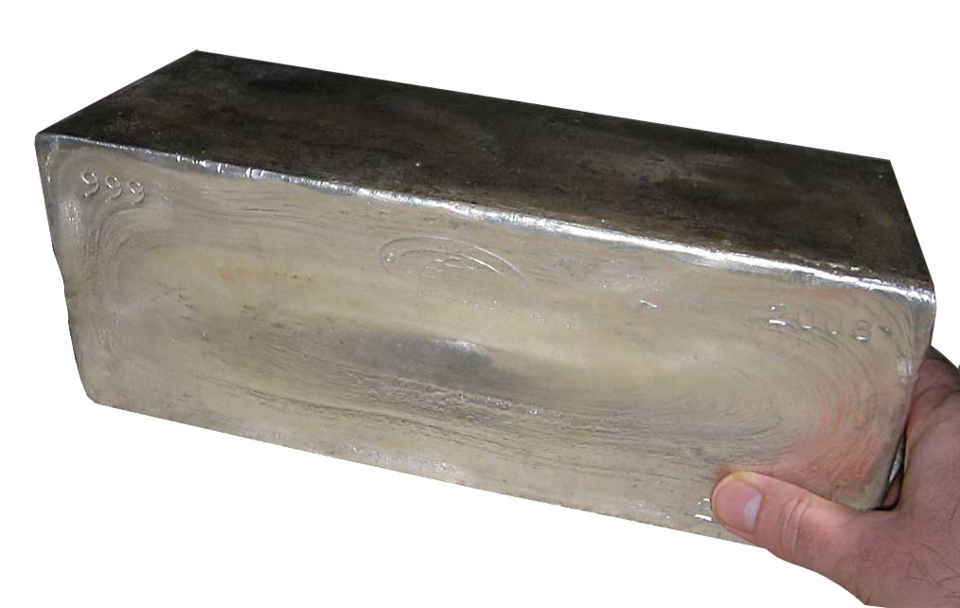

Silver (symbol Ag) is a chemical element. In chemistry, silver is element 47, a transition metal. It has an atomic weight of 107.86 a.m.u. Its symbol is Ag, from the Latin word for silver, argentum.
Physical properties
Silver is a soft metal. It is also a precious metal. When it is used in money or in jewellery, it is often alloyed with gold or some other metal to make it harder. It is bluish-white. Among metals, it is the most reflective and the best conductor of electricity and heat. It is also very malleable and ductile, which means it can be pulled into wire or hammered into thin sheets.
Chemical properties
Silver is less reactive than most other metals, because of its full 4d shell. Its electron configuration is similar to copper and gold. It does not dissolve in most acids, but nitric acid dissolves it to make silver nitrate. It does react with strong oxidizing agents like potassium dichromate or potassium permanganate. It does not corrode easily. It only corrodes when there is hydrogen sulfide in the air. Then, it forms a black coating known as tarnish.
Silver exists in three main oxidation states: +1, +2 and +3. The +1 is much more common than +2 and +3. A few compounds exist in the +2 and +3 oxidation states, but they are very strong oxidizing agents. Silver compounds can be brown, black, yellow, gray, or colorless. Silver compounds are disinfectants.
Silver(I) compounds are oxidizing agents. They are more common. Most of them are very expensive.
- Silver bromide, light yellow
- Silver carbonate, yellowish
- Silver chloride, white
- Silver(I) fluoride, yellow-brown
- Silver iodate, colorless
- Silver iodide, yellow
- Silver nitrate, colorless
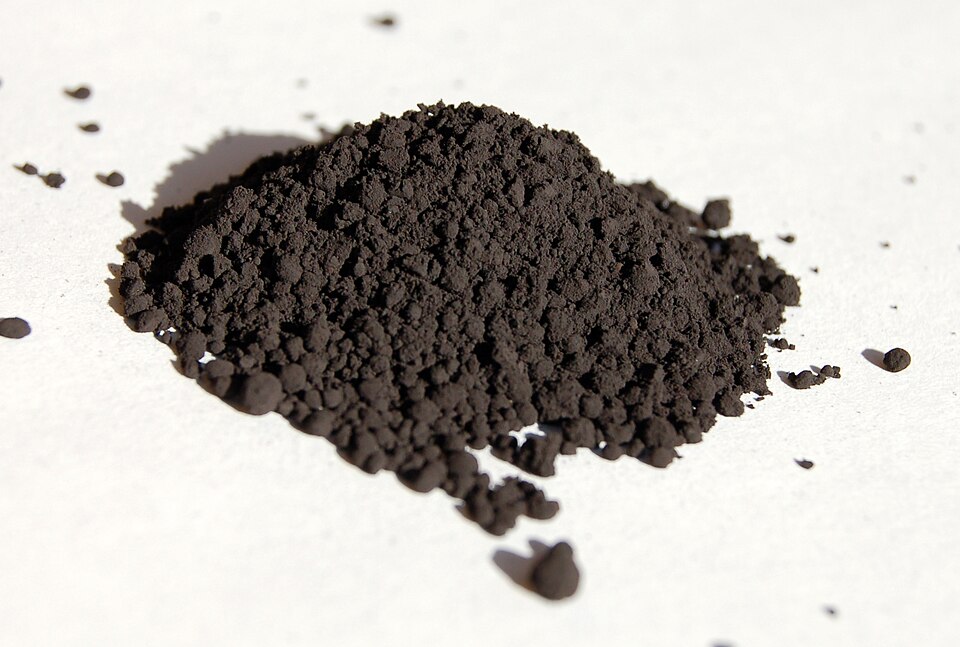
- Silver oxide, brown-black
- Silver sulfide, black
Silver(II) compounds are powerful oxidizing agents and rare.
- Silver(II) fluoride, strong oxidizing agent, highly reactive, white or gray
Silver(III) compounds are even rarer, and highly reactive
- potassium tetrafluoroargentate
Silver sources
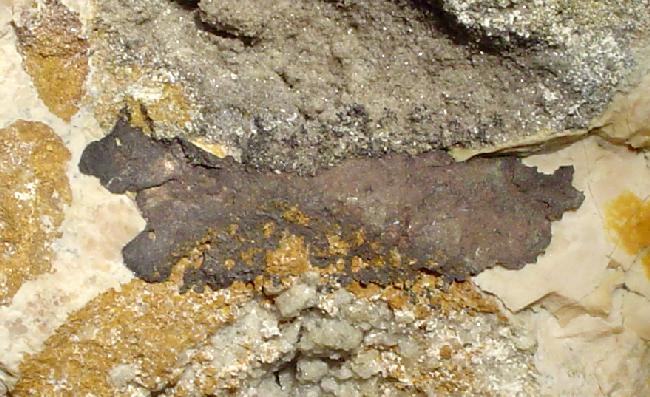
Silver can be found as a native metal. Most silver is found with copper, lead, or gold in rocks. The rocks are found mostly in Canada, Mexico, Peru, and the United States. Peru produces the most silver, mostly in mines that are operated for copper and zinc.
Silver is also in chemical compounds. Acanthite is a silver ore that is a silver compound. Silver is extracted from its ores in several ways. It is normally extracted as a byproduct of electrolysis producing copper.
As an element
Silver has been used for many thousands of years by people all over the world, for jewellery, as money, and many other things. It is called a white metal even though it looks grey. The word silver is also used to talk about this color or shade of grey. Silver is also used for utensils. Silver is used as a catalyst.
In alloys
Silver can be alloyed with gold, copper, zinc, cadmium, tin, nickel, lead, bismuth, germanium, and mercury. The most common silver alloy is called sterling silver, which is 92.5% silver and 7.5% copper. Sometimes a small amount of germanium is added to prevent tarnish. An alloy of silver and mercury (an amalgam) is used to fill teeth in dentistry. Silver is added to some solder alloys in small amounts (5% or less), where it acts to make the solder more durable, more conductive, and less vulnerable to tin pest. The common lead-free SAC305 solder used in electronics contains 3% silver. Leaded solder can also contain silver, but this is less common.
In compounds
Silver compounds are disinfectants. It can kill bacteria and have other useful properties. It is used in the silver oxide battery. They are also used in photographic film. They can also be used to reduce odors in clothes. Some silver compounds are used in creams that help burns heal.
History
Silver has been used for thousands of years. It was normally considered second to gold in value. Many people including Romans and Chinese used silver as money. The symbol Ag is from the Latin name for silver, argentum. Silver was also used to prevent infections and decay.
Safety
Silver is not a large danger to humans. Silver compounds are toxic. They make the skin turn blue. Some can be carcinogens. Colloidal silver, a common homeopathic remedy, is not toxic in normal amounts, but it does not do much. Silver is very toxic to fish, so silver-containing waste (for example, photographic chemicals or silver oxide batteries) must not be released into the environment and should be properly recycled. Silver should not be stored near ammonia, acetylene, or strong acids, as these can react with silver to make unstable silver salts.
Written for younger readers
Silver, in simpler words
This version comes from Wikijunior, a set of books written for children aged 8 to 11. It is shorter and uses plainer language than the article above.
From Wikijunior: The Elements
NOTOC
Silver is a soft metal that has a brilliant, white luster. Silver is a little harder than gold. Silver looks a bit like granite when it has been mined.
Silver has a sweet and sour taste.
Silver has been known since ancient times. Silver was mentioned in the Genesis chapter of the Bible. Man learned how to separate silver from lead in Asia Minor and islands on the Aegean Sea starting in 3,000 B.C.
Silver gets its name from the Anglo-Saxon seolfor. In Latin, silver was called argentum. Have you heard of the country Argentina? Well, the Spanish at first went to Argentina in search of silver, and that is why that country has been named so.
Did You Know?
- Silver conducts electricity better than all other metals.
- Silver is the whitest metal.
- Silver is the best known reflector of visible light.
Mexico is currently the world’s largest producer of silver. Other major silver producing countries include Canada, Peru and the United States.
Silver is found in ores such as argentite, light ruby silver, dark ruby silver and brittle silver.
Silver has been used in jewelry, tableware, and in silver medals. Silver has been used in coin production for centuries. Silver is also used in some mirrors, but these mirrors must be given a protective coating in order to keep them from tarnishing. High energy batteries are made using a combination of silver and zinc or silver and cadmium.
Silver bromide (AgBr) is used to make film. So is silver nitrate (AgNO 3 ), which is a light sensitive compound used to make photographic films and papers. Printed circuits are made using silver based paint. Silver chloride can be made transparent and can also be used as a cement for glass.
Silver can be used to conduct electricity and is better at conducting electricity than any other metal.
Silver iodide (AgI) can be used to make clouds produce rain. It is also used in photography.
Pure silver does not have any health risk, but if mixed with other elements can cause cancer. Silver salts are poisonous. If silver compounds are absorbed by the circulatory system, this can cause a condition known as argyria — a graying of skin pigmentation and mucous membranes.
Where this page comes from
The article above is adapted from “Silver” on Simple English Wikipedia, by its contributors. We removed reference markers, navigation boxes and tables, expanded measurement templates into readable numbers, and kept the prose otherwise intact. The simpler version is adapted from Wikijunior on Wikibooks.
Both sources are published under CC BY-SA 4.0, so this page is published under the same licence. You may share and adapt it, including commercially, as long as you credit the original and keep the same licence.
Worksheets, answer keys and printable layouts elsewhere on K5Print are our own work and are not covered by this licence.