Zinc

Zinc, sometimes called spelter, is a chemical element. It is in the group of metals called the transition metals. It is sometimes considered a post-transition metal. Its symbol on the periodic table is “Zn”. Zinc is the 30th element on the periodic table, and has an atomic number of 30. Zinc has a mass number of 65.38. It contains 30 protons and 30 electrons. In total, 29 isotopes of zinc are known, and five of these occur in nature. Some isotopes are radioactive. Their half-lives are between 40 milliseconds for 57 Zn and 5x10 18 years for 70 Zn.
Zinc is a metal that is mostly used for galvanizing and batteries. It is the fourth most common metal used by people.
Physical properties
Zinc is a shiny bluish grey metal. When it has just been cut, zinc has a whitish-grey color. If it is exposed to air, it will not stay shiny for long. Its melting point is (419.58 degrees Celsius (787.24 °F)), and its boiling point is (907.0 degrees Celsius (1,665 °F)). This temperature is lower than most transition metals but higher than tin or lead. It can be melted on a cooking stove. It boils at a low temperature for a metal. It is not magnetic. When heated a little, it becomes very flexible. If it is heated more, it becomes very brittle. It forms alloys easily with other metals.
Chemical properties
Zinc is a reactive metal. It is about as reactive as aluminium and more reactive than most of the more common metals, such as iron, copper, nickel, and chromium. It is less reactive than magnesium. Zinc can react with acids, bases, and nonmetals. It does not rust in air, though. A coating of zinc oxide and zinc carbonate forms on the surface of the zinc when it is in air. This coating stops corrosion. Acids can dissolve this coating and react with the zinc metal. This reaction of zinc with an acid makes a zinc(II) salt such as zinc chloride and hydrogen gas. This is a very common chemical reaction. The reaction below is the reaction with hydrochloric acid.
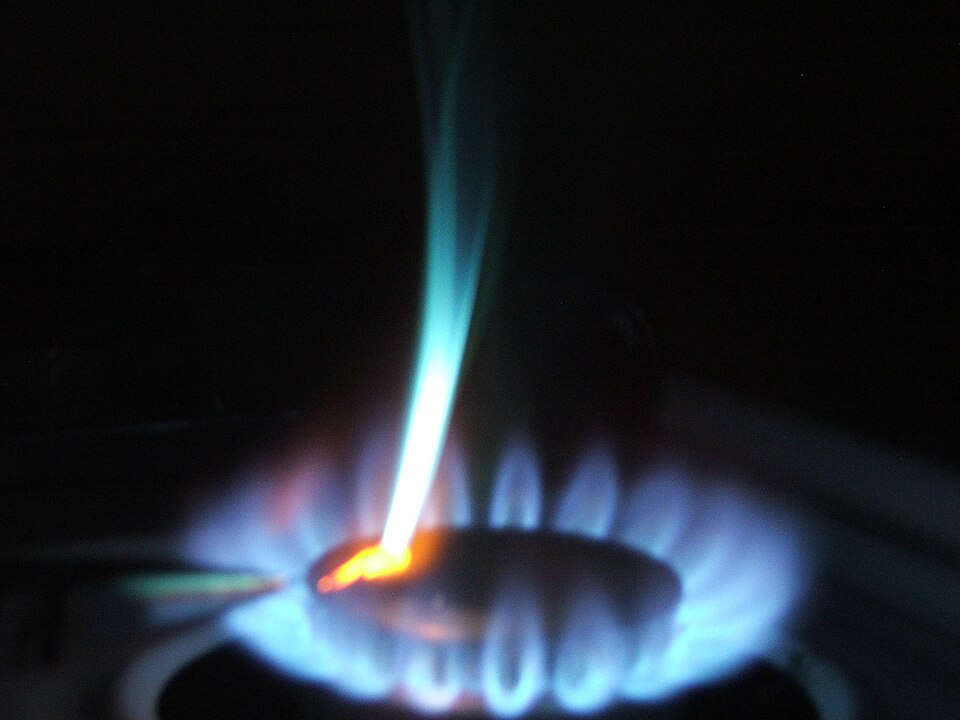
Zinc can burn when powdered or in small pieces to make zinc oxide, a white powder. The flame is bright blue-green.
Zinc oxide can dissolve in strong bases. This reaction happens in some batteries that have zinc in them.
Zinc is a chalcophile. This means that it would rather react with sulfur and elements below it on the periodic table than oxygen. That is why zinc sulfide is the most common zinc ore, not zinc oxide.
Chemical compounds
Zinc can make chemical compounds with other elements. These chemical compounds are only in one oxidation state: +2. A +1 compound has been found but it is hard to make. There are no other oxidation states other than +1 or +2. Most of these compounds have no color. If they have a color, it is not the zinc that is making the color.
Zinc chloride is one of the most common zinc compounds. They are quite unreactive. They are a little acidic when dissolved in water. They make a green flame when heated in a fire.
Other zinc compounds are:
- Zinc antimonide, gray semiconductor
- Zinc arsenide, orange semiconductor
- Zinc bromide, a shield against radiation
- Zinc carbonate, ore of zinc
- Zinc fluoride
- Zinc hydroxide, used in surgical bandages
- Zinc iodide, used in X-ray picture-taking
- Zinc nitrate, used as a mordant
- Zinc oxide, used in sunscreen
- Zinc phosphate, used in dentistry
- Zinc sulfate, used in pigments
- Zinc sulfide, common zinc ore
File:Zinc chloride.jpg|Zinc chloride File:Zinc oxide.jpg|Zinc oxide File:Zinc Sulfate.jpg|Zinc sulfate
Occurence
Five isotopes of zinc are found in nature. 64 Zn is the most common isotope, with 48.63% of naturally occurring Zinc. This isotope has a half-life of 4.3x10 18 years. This is so long, that its radioactivity can be ignored. Similarly, (0.6%), with a half life of 1.3x10 16 years is usually considered to not be radioactive. The other isotopes found in nature are (28%), (4%) and (19%).
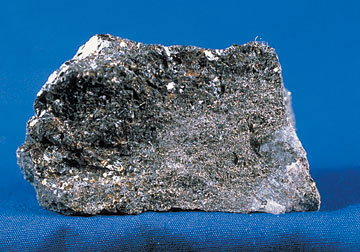
Zinc is not found as a metal in the earth’s crust. Zinc is only found as zinc compounds. Sphalerite, a mineral that is made of zinc sulfide, is a main ore of zinc. Very little zinc is in the ocean. Zinc ore is normally found with copper and lead ores.
There are some other zinc ores, such as smithsonite (zinc carbonate) and a zinc silicate mineral. They are less common.
Preparation
The zinc sulfide is concentrated by flotation. There is a detergent that collects the zinc sulfide. The impurities sink to the bottom and are removed. Then the zinc sulfide is heated in air to make zinc oxide and sulfur dioxide.
The sulfur dioxide is oxidized to sulfur trioxide.
The sulfur trioxide reacts with the zinc oxide to make zinc sulfate. This makes a soluble form of zinc which can be processed more.
The zinc sulfate is purified and electrolyzed. This electrolysis makes oxygen, zinc, and sulfuric acid. This makes a pure zinc that is known as “SHG” or special high grade.
The sulfuric acid is reused in place of the sulfur trioxide to leach more zinc oxide.
Zinc oxide can also be reduced by carbon to zinc metal and carbon dioxide at high temperatures. This is a blast furnace process similar to how iron is made.
This form of zinc is cheaper but is not pure.
Zinc is the fourth most commonly used metal in the world. About 10 million tons are made every year.
As a metal
Zinc is used in electrical batteries. The alkaline cell and the Leclanche cell are the ones that use zinc the most. It becomes oxidized and provides electrons for the battery to run.
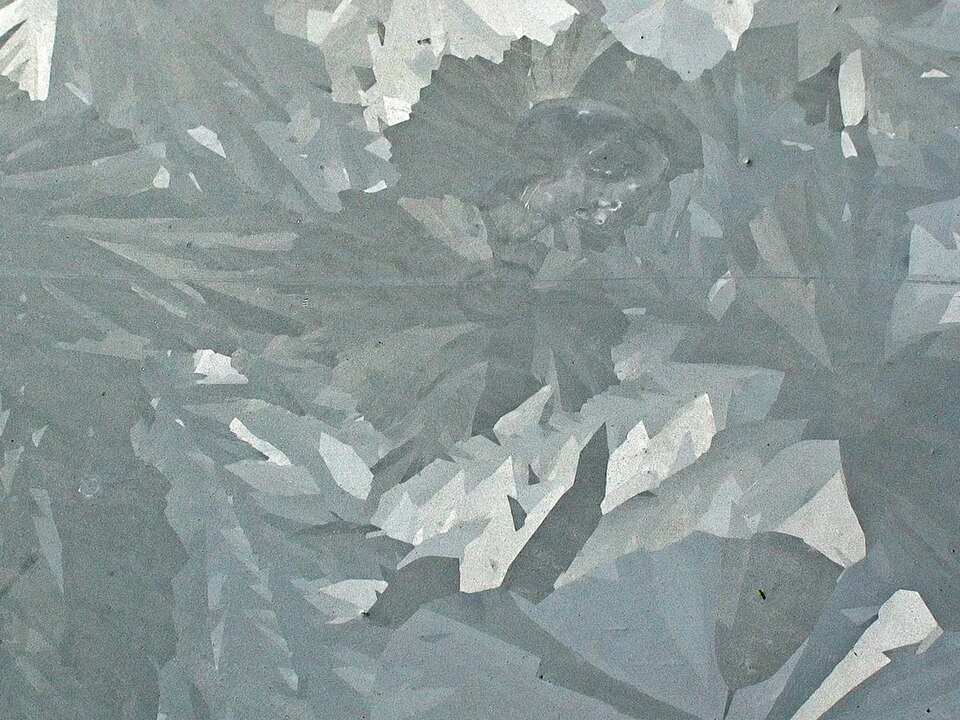
About 59% of zinc is used for corrosion prevention, which includes galvanizing. 47% of the world’s zinc is used for galvanizing. This is used to protect another metal, usually iron, from rusting. The zinc coating corrodes instead of the iron. The zinc coating can be placed on the metal in two ways. The metal can be dipped into a pot of melted zinc. The zinc can also be electroplated on to the metal. Dipping lasts longer but has a patchy surface that some do not think looks nice. It is also used in motorboats and pipelines to slow rusting. The motor of a motorboat often has a “bullet” of zinc, that will corrode easily, but will help other metal parts of the motor to stay rust free.
Zinc is used in alloys. Brass is an alloy of copper and zinc. Brass is the most common zinc alloy. Zinc can form alloys with many other metals. Zinc aluminium is an alloy of zinc and aluminium, which makes good bearings. Commercial bronze has zinc in it. Sometimes cadmium telluride is reacted with zinc to make cadmium zinc telluride, a semiconductor. Nickel silver is another zinc alloy.
Zinc can be used in the pipes of a pipe organ. An alloy of tin and lead was used in the past. Zinc is used in the US penny, which only has a thin layer of copper. The core is zinc. Older pennies were made completely out of bronze.
A mixture of powdered zinc and sulfur can be used to propel a model rocket. This reaction makes zinc sulfide, heat, light, and gases. Zinc sheet metal is used to make zinc bars.
As zinc compounds
About 1/4 of zinc is used to make zinc compounds. Zinc oxide can be used for sunscreen or paint pigment. Zinc oxide also is a semiconductor. Zinc chloride is used to preserve wood so it does not rot. Some fungicides have zinc in them. Zinc sulfate is used in dyes and pigments. Zinc sulfide is used in fluorescent bulbs to convert the ultraviolet light to visible light.
In biology
Humans need a little bit of zinc to help their body run well. If they do not get enough zinc in their food they can get a mineral deficiency. Middle-aged men (9 to 64 years old) need 9.5mg and women need 7mg, a day according to the NHS. In most of the first-world countries people should get their daily zinc requirements from diet alone. Almost two billion people have a zinc deficiency.
Zinc deficiency makes one more easily get infections. Some people say that when we get colds, we should take more zinc. Others say that zinc does not make a difference. There are medicines that one can use when they have a flu. Zinc (for colds and flu) has been thought of as a good preventative medicine, and those same people say that it is not a useful cold medicine once the person is already sick.
People add tiny amounts of zinc compounds to vitamin pills and cereals to make sure that they get enough zinc. Most single-tablet vitamins have zinc in them. Zinc is found in at least 100 enzymes. It is the second most common transition metal other than iron. Zinc also is used by the brain. The human body contains 2 to 4 grams of zinc. A zinc enzyme helps remove carbon dioxide from blood. Whole wheat has much zinc in it.
As well as potentially helping to prevent colds, zinc intake improves male ejaculation.
Safety
The body needs small amounts of zinc, and it is a normal part of the human diet, but large amounts of zinc metal are toxic. It can dissolve in stomach acid. When too much zinc is eaten, copper and iron levels go down in the body. Zinc compounds can be corrosive in the stomach. Zinc compounds put in the nose can ruin the sense of smell.
Zinc ions are very toxic to fish and many things that live in water.
Written for younger readers
Zinc, in simpler words
This version comes from Wikijunior, a set of books written for children aged 8 to 11. It is shorter and uses plainer language than the article above.
From Wikijunior: The Elements
NOTOC
Zinc is a hard solid that is bluish in color. It has no smell.
Zinc was known to the ancients, but it wasn’t until 1746 that zinc was isolated by Andreas Marggraf. Marggraf showed people that zinc could be isolated by reducing calamine with charcoal.
Centuries before the metallic form of zinc was discovered, zinc ores were used for making brass and zinc compounds. An alloy containing 87% zinc has been found in prehistoric ruins in Transylvania. Zinc ores were used for healing wounds and sore eyes. It is estimated that during the rule of Augustus (20 BC to 14 AD), the Romans were the first people to make brass. In the 13th century explorer Marco Polo was cited as describing the production of zinc oxide in Persia. India recognized zinc as a new metal by 1374; at the time, it was the eighth metal known to man. Zinc oxide had been produced in Zawar, India from the 12th to 16th centuries. This zinc was produced by reducing calamine using organic substances like wool.
The name zinc comes from “zinn”, the German word for tin.
Did You Know?
- A human body contains around 2.3g Zinc.
- The oldest evidence of pure zinc comes from Zawar, in Rajasthan, India, as early as the 9th century AD.
- Zinc is the fourth most common metal in use, trailing only iron, aluminium, and copper.
Zinc is hard to find, because it is very reactive in its pure form, and makes up less than 1% of the earth’s crust. It’s found mostly in compounds like the mineral Zinc Sulfide, also known as sphalerite or zincblende.
Zinc has many common and not-so-common uses: Zinc is used in many coins. Zinc is used to make brass and bronze. It is also used in metal coating and rust protection, called galvanization. It is also used in the batteries that power everything from flashlights to radio-controlled toys. This type of battery was invented by the French chemist George Leclanche more than 100 years ago. Zinc oxide is a common sunscreen because it can block harmful ultraviolet (UV) rays that damage skin. This same compound is also used to make white paints and to make photocopies. Zinc sulfide, another zinc compound, is used in electronic devices as a phosphor (pronounced “fos-four”). Phosphor gives off light when struck by electrons. Zinc sulfide has been used on the inside of computer and television screens to produce images from your favorite TV show to computer games.
No, it is not dangerous. Zinc is necessary for the human body and helps boost your immune system. Zinc oxide can also be used as a sunblock to protect your skin from the damaging effects of ultraviolet light.
Zinc has a boiling point of 907 degree Celsius and melting point of 419.53 degree Celsius.
Where this page comes from
The article above is adapted from “Zinc” on Simple English Wikipedia, by its contributors. We removed reference markers, navigation boxes and tables, expanded measurement templates into readable numbers, and kept the prose otherwise intact. The simpler version is adapted from Wikijunior on Wikibooks.
Both sources are published under CC BY-SA 4.0, so this page is published under the same licence. You may share and adapt it, including commercially, as long as you credit the original and keep the same licence.
Worksheets, answer keys and printable layouts elsewhere on K5Print are our own work and are not covered by this licence.