Airplane
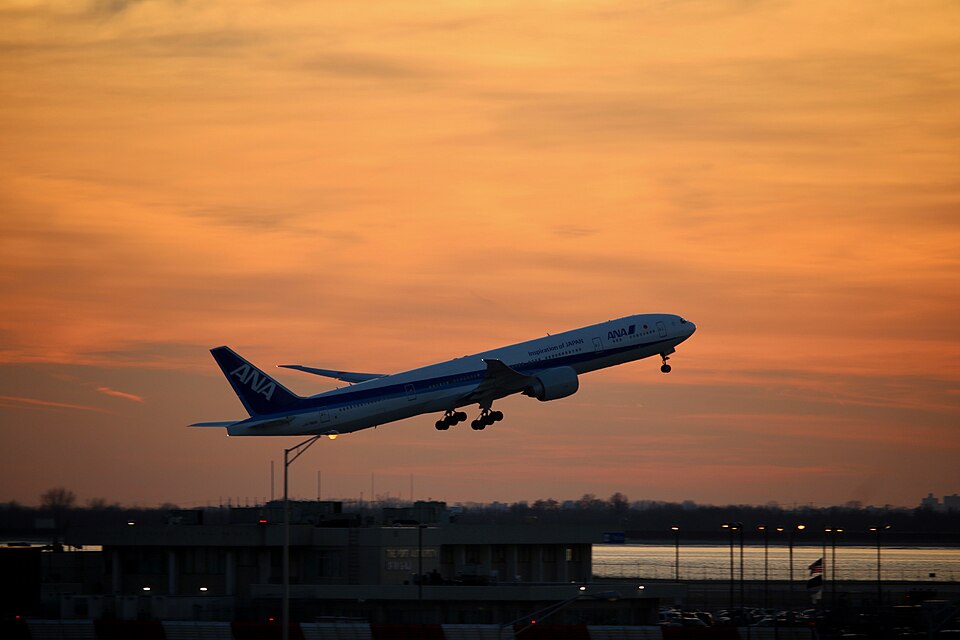

An airplane, also known as an aeroplane or just plane, is a fixed-wing aircraft. It moves by thrust from a jet engine, propeller, or rocket engine. Airplanes come in many shapes and sizes. The use of aircraft is called aviation. Airplanes are used for many things including recreation, transportation of goods and people, military, and research.
They can move much faster than road (such as cars, buses, motorcycles, off-road vehicles, light trucks, medium trucks and heavy trucks), rail (such as trains or trams) or sea transport (such as boats, ships, and submarines), and so they are often the choice for long distances. Many long distance airplanes are bigger than others because they need to carry more fuel.
Commercial aviation transports more than four billion passengers annually on airliners. Cargo aircraft carry more than 200 billion ton kilometres of cargo every year, which is less than 1% of the world’s cargo movement. Most airplanes are flown by a pilot on board the aircraft, but some are airplanes made to be remotely or computer-controlled such as drones.
Airplanes fly between many cities all over the world, carrying people and cargo. Big cities usually have an international airport, where large airplanes can land and take off safely. Some large cities like New York City and London have more than one airport. Two major makers of airplanes are Airbus and Boeing.
Statistics show that riding in a plane is safer than driving in a car.
Food
People make jokes about airline food, because they say it tastes bad. While travelling on an airliner at a high altitude, it can cause dryness. Because of the low pressure, a person’s taste buds are around 30% less sensitive to sweet and salty foods.
Wings
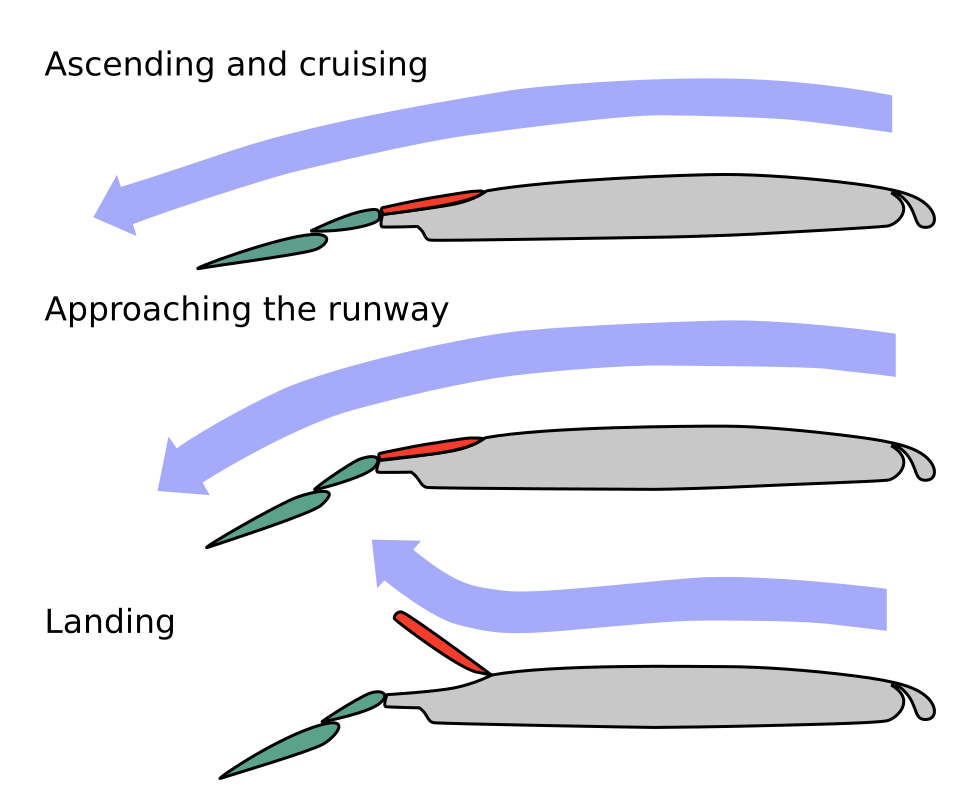
The wings of a fixed-wing aircraft are static planes extending either side of the aircraft. When the aircraft travels forwards, air flows over the wings, which are shaped to create lift. This shape is called an airfoil and is shaped like a bird’s wing.
Transport
Fixed-wing aircraft have long been used as airliner s for moving passenger s from place to place. Cargo aircraft carry cargo across seas and long distances, and passenger aircraft also carry some cargo.
War
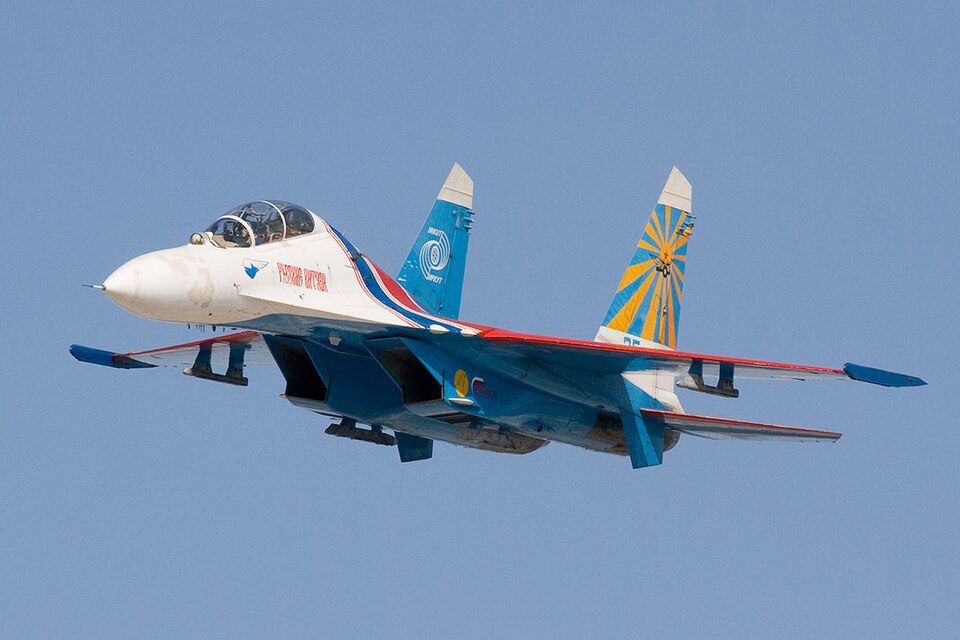
The first aircraft for war bombing was used in Libya in 1911 by Italy against the Ottoman Empire (ItaloTurkish War). Some fixed-wing aircraft are used by air forces to defend countries. These may be fighter aircraft, using guns or missiles for combat with other aircraft. They may be bombers, dropping bombs on ground targets.
Fixed-wing aircraft allow people to travel longer distances, and faster than ships or trains. Aircraft can fly from New York to London in about 7 hours. It would take one week or more on a ship. Militaries use airplanes to carry their soldiers quickly from place to place.
Airplanes are also used by the military to see many things on the ground easily. This is called surveillance or reconnaissance. Often, fixed-wing aircraft will take photographs as well, which can be used for military planning later. This role is now being taken over by drones, which are automatic planes.
Impact
Fossil fuel-powered aircraft release soot and other pollutants into the atmosphere. They burn fossil fuel which releases CO2 emissions, and has warming non-CO2 effects due to nitrogen oxides (NOx), vapor trails and cloud formation.
Where this page comes from
The article above is adapted from “Airplane” on Simple English Wikipedia, by its contributors. We removed reference markers, navigation boxes and tables, expanded measurement templates into readable numbers, and kept the prose otherwise intact.
Both sources are published under CC BY-SA 4.0, so this page is published under the same licence. You may share and adapt it, including commercially, as long as you credit the original and keep the same licence.
Worksheets, answer keys and printable layouts elsewhere on K5Print are our own work and are not covered by this licence.