Infrastructure
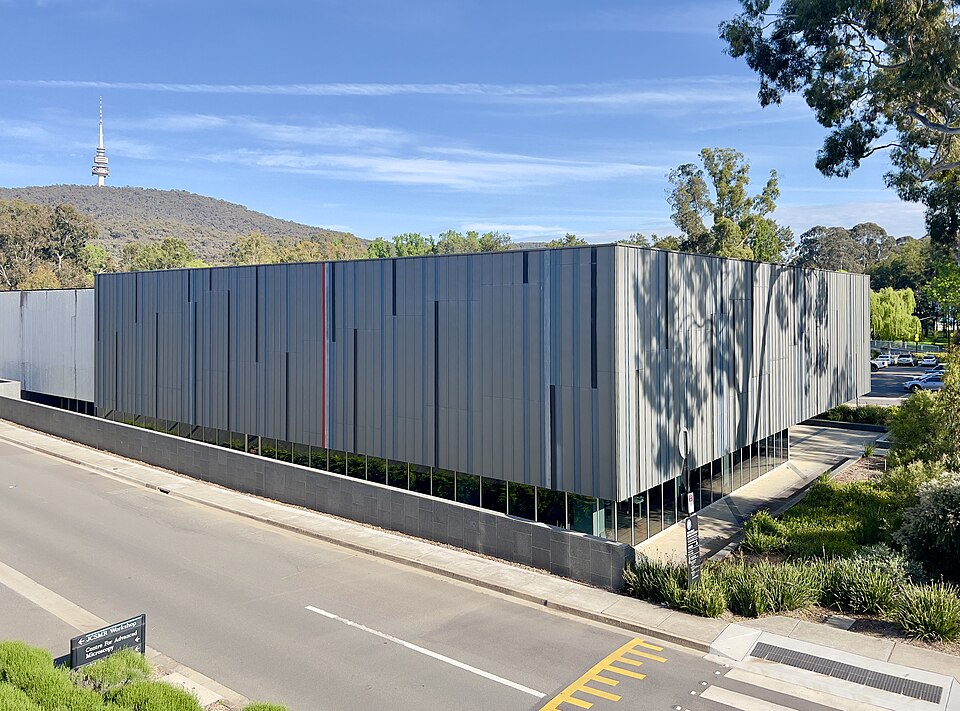

Infrastructure is the term used to describe the built facilities which support modern human life.
These are the main items: water supply, sewage plants, housing, roads, cable networks, food supply facilities, schools, hospitals, airports, community meeting places, business and government buildings, bridges, railways. In fact, everything that modern life needs in the way of built environment.
Infrastructure is closely connected with standard of living and overpopulation. More people will want more roads, water pipes and other infrastructure. Poor countries tend to have fast population growth and cannot provide the needed infrastructure. Standard of living drops and this may lead to other problems like worsening health, exposure to plague and difficult access of emergency units to those that need it.
Written for younger readers
Infrastructure, in simpler words
This version comes from Wikijunior, a set of books written for children aged 8 to 11. It is shorter and uses plainer language than the article above.
From Wikijunior: Transport
Among the types of infrastructure for transport are ancient road networks, canal networks, harbours and ports and in the modern era; railway networks, railway stations, freeway/motorway networks.
Urban rail systems are called metro systems such as London Underground (the tube) or New York City subway. Hybrid urban-suburban rail networks are called S-bahn systems.
Bridges, tunnels and viaducts are ancient construction methods for navigating passage of transport to surmount natural impediments or otherwise improve the route. The longest bridges are in China.
Termini or terminuses are the end of the journey or the end by a particular mode of transport. This includes railway stations, airports, helipads, parking lots, bus stops, bus depots, driveways, cable car station, ports, harbours and bicycle stands or bicycle parking. Intermodal or interchange stations offer transfer to other modes of transport typically bus stations and coach stations.
Where this page comes from
The article above is adapted from “Infrastructure” on Simple English Wikipedia, by its contributors. We removed reference markers, navigation boxes and tables, expanded measurement templates into readable numbers, and kept the prose otherwise intact. The simpler version is adapted from Wikijunior on Wikibooks.
Both sources are published under CC BY-SA 4.0, so this page is published under the same licence. You may share and adapt it, including commercially, as long as you credit the original and keep the same licence.
Worksheets, answer keys and printable layouts elsewhere on K5Print are our own work and are not covered by this licence.