Solar panel
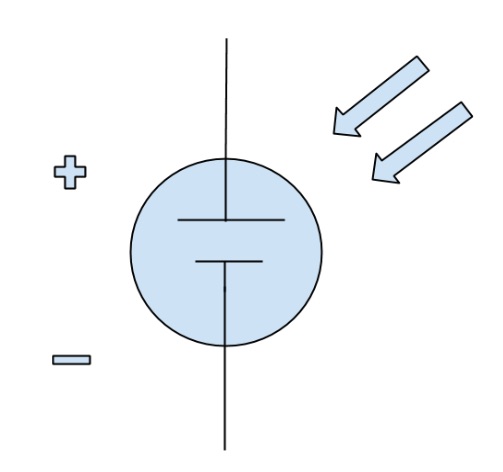

Solar panels get energy from the sun for people to use. There are two types of solar panels, those that collect heat (thermal), and those that produce electricity (photovoltaic). Heat from solar panels is often used for space heating and for hot water.
Solar panels collect renewable energy. In the 20th century, some used the heat of the sun to make steam for a steam engine to turn a generator. Nowadays producing electricity from the sun’s light is cheaper. This is a solid state way of producing electricity, meaning that it has no moving parts.
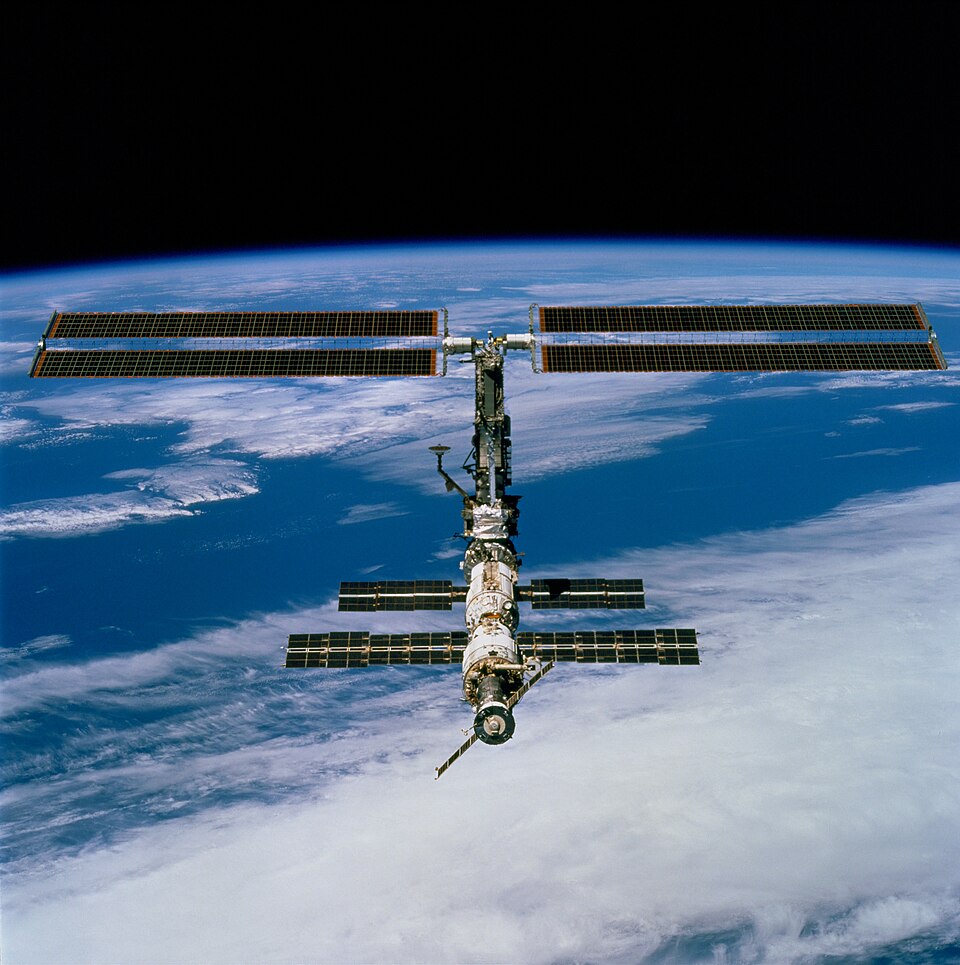
Home solar panels are often mounted on rooftops. Commercial or industrial installations are often on trackers mounted on the ground. The trackers point the panel towards the sun as the sun moves across the sky. Photovoltaic panels are also commonly used in outer space, where they are one of the few power sources available.
Heat
Solar panels for heat are usually made from a box with a clear window on top. Pipes run through the box. The pipes and the box are usually painted black because black absorbs more heat than other colors. The pipes are filled with a heat transfer fluid such as water or oil. A pump circulates the fluid, which heats up as it is exposed to the sun. When the hot fluid leaves the panel, it goes into a heat exchanger, which transfers the heat into water or air. After the now cool fluid leaves the heat exchanger, it is pumped back up into the panel to collect heat again.
Recycling
Photovoltaic solar panels are built to last about thirty years. So far, most of the solar panels, originally created in the 1980’s have not yet reached the end of their estimated lifespans. Many of the solar panels which have expired, however, have been classified as hazardous waste. The used solar panels that have not been considered dangerous can be recycled to create new solar panels. Over 90% of the solar panel is recyclable to create either new solar panels or scrap material. First, the panels are broken down by removing the metal frames and glass plate, leaving the group of solar cell sandwiched between an ethylene vinyl acetate (EVA) resin and back film. To actually get to the solar cells themselves, the resin and backing must be removed.
Usage
The top ten uses for solar panels include,
- heat for home or other building
- power pumps
- battery charger in the sunny day to power lighting through the nighttime hours
- powering your home, camper, cabin, tool shed, or other building
- for swimming pool s, a solar water heating system uses solar hot water panels. They may be put on your roof to collect the sun’s heat and bring the water to the pool.
- Solar panels are also being used in space exploration and other forms of transportation.
Innovations
Solar panels have become much cheaper to use, compared to oil, diesel and liquified natural gas in parts of Asia. Solar energy will soon become the main source of energy. Over the years many innovations have been made to improve solar panels. Solar panels have been used for space exploration and are being developed to be able to power cars. Along with this, scientists are developing solar cells in silicone to increase its convenience.
Solar shingles
Solar shingles are a new type of solar panel that look like ordinary asphalt roof shingles. They are used where the appearance of traditional solar panels might be undesirable, such as on residential rooftops. Solar shingles are more expensive and less durable than normal solar panels.
Written for younger readers
Solar panel, in simpler words
This version comes from Wikijunior, a set of books written for children aged 8 to 11. It is shorter and uses plainer language than the article above.
From Wikijunior: How Things Work
A solar panel converts the power of the sun into either electricity (where it is called ‘photovoltaic’) or heat (where it is called ‘solar thermal’).
Currently it is unknown who invented the solar cell, but it was invented in Germany.
Solar panels get their power from the sun. That is why they are called ‘solar’ panels because solar means sun in Latin.
It transforms solar power into regular electricity using the photovoltaic effect. The photovoltaic effect is when light excites electrons in the material to a higher energy state, producing energy.
It is not very dangerous, but if you look at it too long, the reflected sunlight could damage your eyes. Also, solar panels can get very hot in summer, especially solar thermal ones.
It transforms power from light into regular electricity in large amounts usually (as there are small solar cells too). It contains lots of solar cells that do this.
Solar power is a source of clean energy. By covering just 2% of the Earth’s surface, solar panels could provide enough energy for the current needs of the whole planet. Doing so could cause other problems, however, like reducing the amount of land for growing food.
Solar panels are currently selling for as low as US$0.70 per watt in 7-April-2012 in industrial quantities;.
Where this page comes from
The article above is adapted from “Solar panel” on Simple English Wikipedia, by its contributors. We removed reference markers, navigation boxes and tables, expanded measurement templates into readable numbers, and kept the prose otherwise intact. The simpler version is adapted from Wikijunior on Wikibooks.
Both sources are published under CC BY-SA 4.0, so this page is published under the same licence. You may share and adapt it, including commercially, as long as you credit the original and keep the same licence.
Worksheets, answer keys and printable layouts elsewhere on K5Print are our own work and are not covered by this licence.