Vehicles
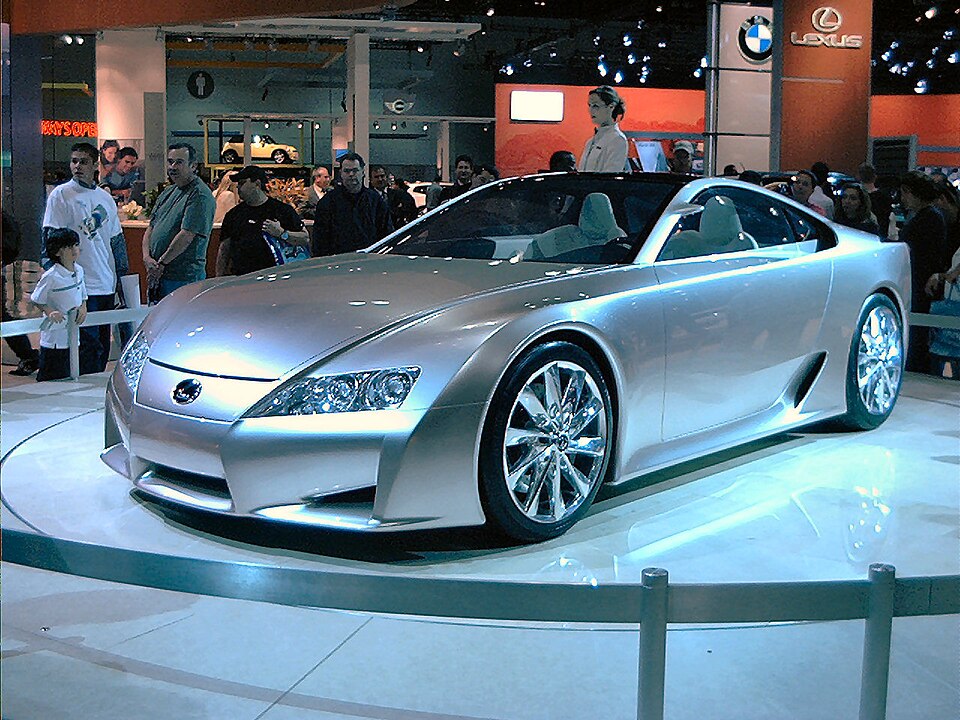

A vehicle is a machine to move people and things. A vehicle is not alive. A horse can move people and things, but it is an animal, not a machine or a vehicle.
The word vehicle is borrowed from French and Latin. French véhicule, going back to Middle French, borrowed from Medieval Latin vehiculum “medium, agent of transmission,” going back to Latin, “wheeled vehicle, means of transport,” from vehere “to carry, convey.
Land vehicles
Some vehicles move on land. Most land vehicles have wheels. Examples of land vehicles are bicycles, cars, trucks, buses, motorcycles, and trains.
Land vehicles that are powered by an engine or motor are called motor vehicles.
Some land vehicles, like tanks and snowmobiles, have tracks. These tracks look and work like conveyor belts.
Water vehicles
Some vehicles move on, or in, the water. Examples are boats, ships, and submarines.
Air and space vehicles
Vehicles that move in the sky are called aircraft. Examples are aeroplanes and balloons.
Some vehicles, like the Space Shuttle, can even leave the Earth’s orbit and go to outer space.
Power
Vehicles can be propelled by various sources of energy.
- Human muscles. Examples are bicycles and skateboards.
- Engines. Examples are automobiles, ships, and aeroplanes.
- Electricity. Examples are many passenger trains.
- Animals. Examples are carts and chariots.
- Wind. Examples are sailboats and iceboats.
Some vehicles have no propulsion power. Examples are gliders, balloons and even fixed tower cranes.
Written for younger readers
Vehicles, in simpler words
This version comes from Wikijunior, a set of books written for children aged 8 to 11. It is shorter and uses plainer language than the article above.
From Wikijunior: Transport
Although walking and horse riding has survived as a means of transport, the term vehicle is generally taken to exclude walking and horse riding. However the term vehicle can include unmechanised vehicles without wheel and axles. In particular this can be seen in aviation and watercraft. For example, hot air balloons and hang gliders in aviation. In watercraft, unmechanised vehicles can include yachts, canoes, kayaks and rowing boats.
In land transport there also exists interesting phenomenon as walking buses and bike buses/ bike trains, convoys and wagon trains. These are collective forms of transport (that could loosely be termed vehicles) but not mechanised in the whole (the linking together is unmechanised unlike locomotives or road trains) only in their individual unit parts except the walking bus.
Mechanised vehicles on land transport involve wheels and axles. Mechanised vehicles can be animal, human, or wind powered, but were greatly transformed by the internal combustion engine and the motorisation process since the Industrial revolution in the 19th century.
Aviation vehicles include hot-air balloons, airships, airplanes, fixed-wing, helicopters, hang gliders. The fastest vehicles of any mode of transport are rockets travelling by air.
Animal-powered vehicles include ox-carts (carts drawn by oxen), horse carts, dog sleds, horse-drawn carriages, horse-drawn trams, horse-drawn omnibuses. These enjoyed centuries of use, only walking has been used by humans as transport for longer.
Cable vehicles include funiculars and cable cars. One interesting water transport is cable ferries. Also zip lines.
Human-powered vehicles include Bicycles, scooters, tandems, unicycles, quadracycles, rollerskates. The Bike boom took place in the 1880s.
Military vehicles include tanks, ships, aircraft carriers (which are ships) and fighter planes.
Road – motorisation – motorised vehicles include cars, electric bicycles, motorcycles (motorbikes), buses and coaches. Also escooters and segways.
Off-road motorised vehicles include quadbikes (ATV), snowmobiles and dirt bikes. Off-road rockets are the fastest land vehicles setting land speed records.
Rail vehicles include both light rail such as trams, interurbans, and heavy rail trains. Railwaymania took place in the 19th century.
Ships include canoes, outriggers, catamarans, cruise ships and ocean liners, the latter two largely driven by combustion engines as opposed to human, animal or wind power. Canalmania took place in the 17th century. Yachts use sails driving by wind power for motive force. Canal barges have been horse-drawn. Steamships (SS) powered by steam engines revolutionised reliable ocean liner travel across oceans previously undertaken by sailing ships.
Space vehicles include space shuttles, rovers and satellites. The space race took place in the 1960s.
File:BayStLouisRollerskates1921crop.jpg|Roller skates File:Syttende Mai 2019 - Ballard - 46.jpg|Toy wagon Kiryat Mal’achi town hall plaza.jpg|Trikke File:Boy on snow sled, 1945.jpg|Sled File:Kinder bei Radfahrpause.JPG|Bicycle CSc gemeinsam.jpg|Recumbent tricycle/trike 17 mai på Vaulen - panoramio.jpg|Trike Afbeelding 372.jpg|Baby trike Amish - You looking at me by Gadjoboy.jpg|Kickbike Kids on Scooters with Public-Art Backdrop - Giessen - Germany.jpg|Kick scooter File:Restaurace U Lišků, u vstupu do ZOO Praha, U Trojského zámku 9, Praha - Troja 01.JPG|Walking bus File:Atthestart.jpg|Gokart File:Barnevogn2.jpg|Pram File:Dog scootering top 3298312031 3f2be1ce7a o.jpg|Dog mushing File:Children riding a bicycle and sidecar, about 1930 - 1.jpg|Bicycle with sidecar File:Horse-Riding-07837-nevit.jpg|Horse riding File:Novosibirsk Park Railway 07-2016 img5.jpg|Children’s railway operated by children File:Go-cart STREET PLAY.jpg|Go-cart File:Metrofiets Kid (7382774558).jpg|Cargo bike File:Zlíchov, veslaři.jpg|Rowing boat
Where this page comes from
The article above is adapted from “Vehicles” on Simple English Wikipedia, by its contributors. We removed reference markers, navigation boxes and tables, expanded measurement templates into readable numbers, and kept the prose otherwise intact. The simpler version is adapted from Wikijunior on Wikibooks.
Both sources are published under CC BY-SA 4.0, so this page is published under the same licence. You may share and adapt it, including commercially, as long as you credit the original and keep the same licence.
Worksheets, answer keys and printable layouts elsewhere on K5Print are our own work and are not covered by this licence.